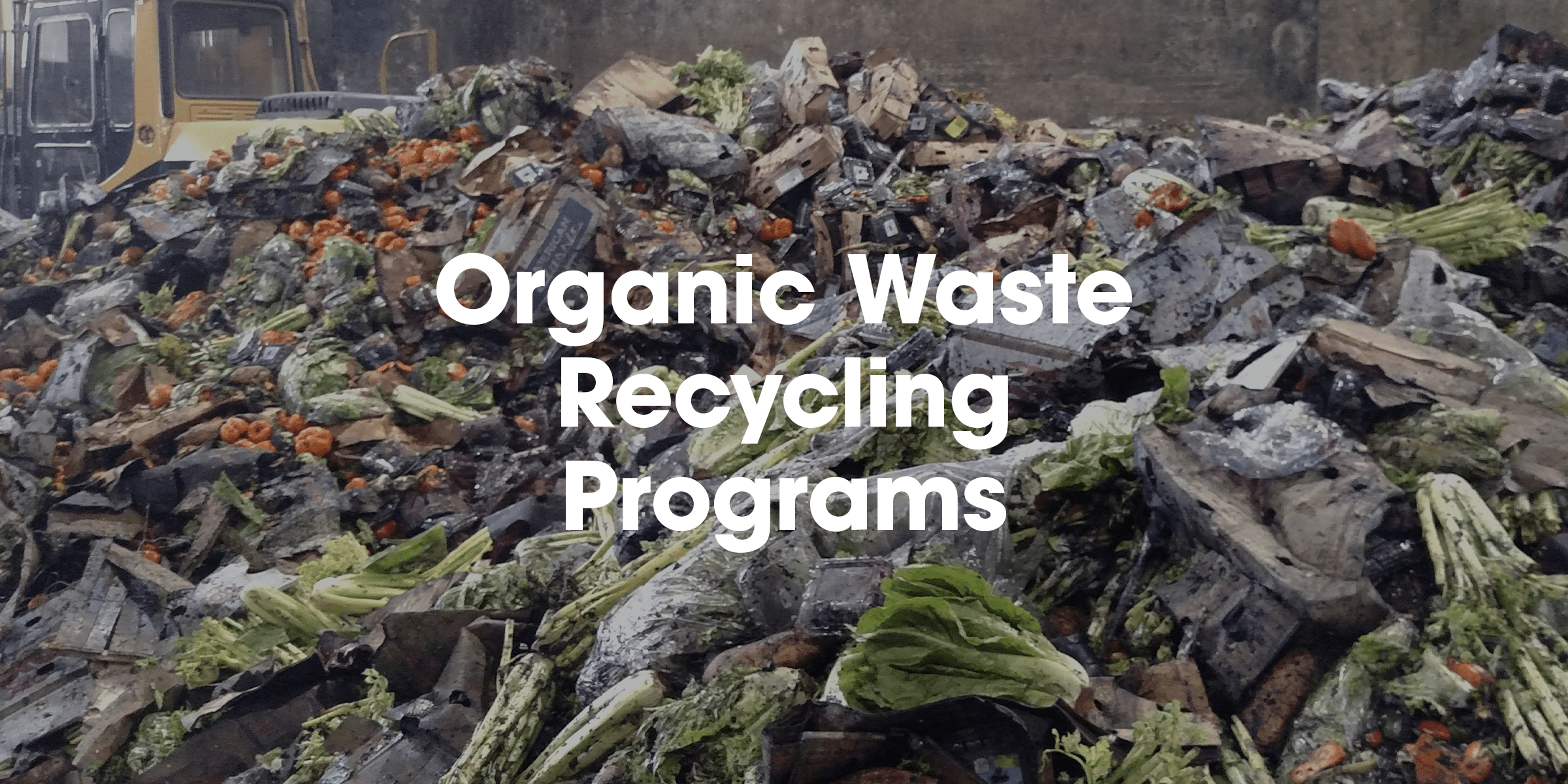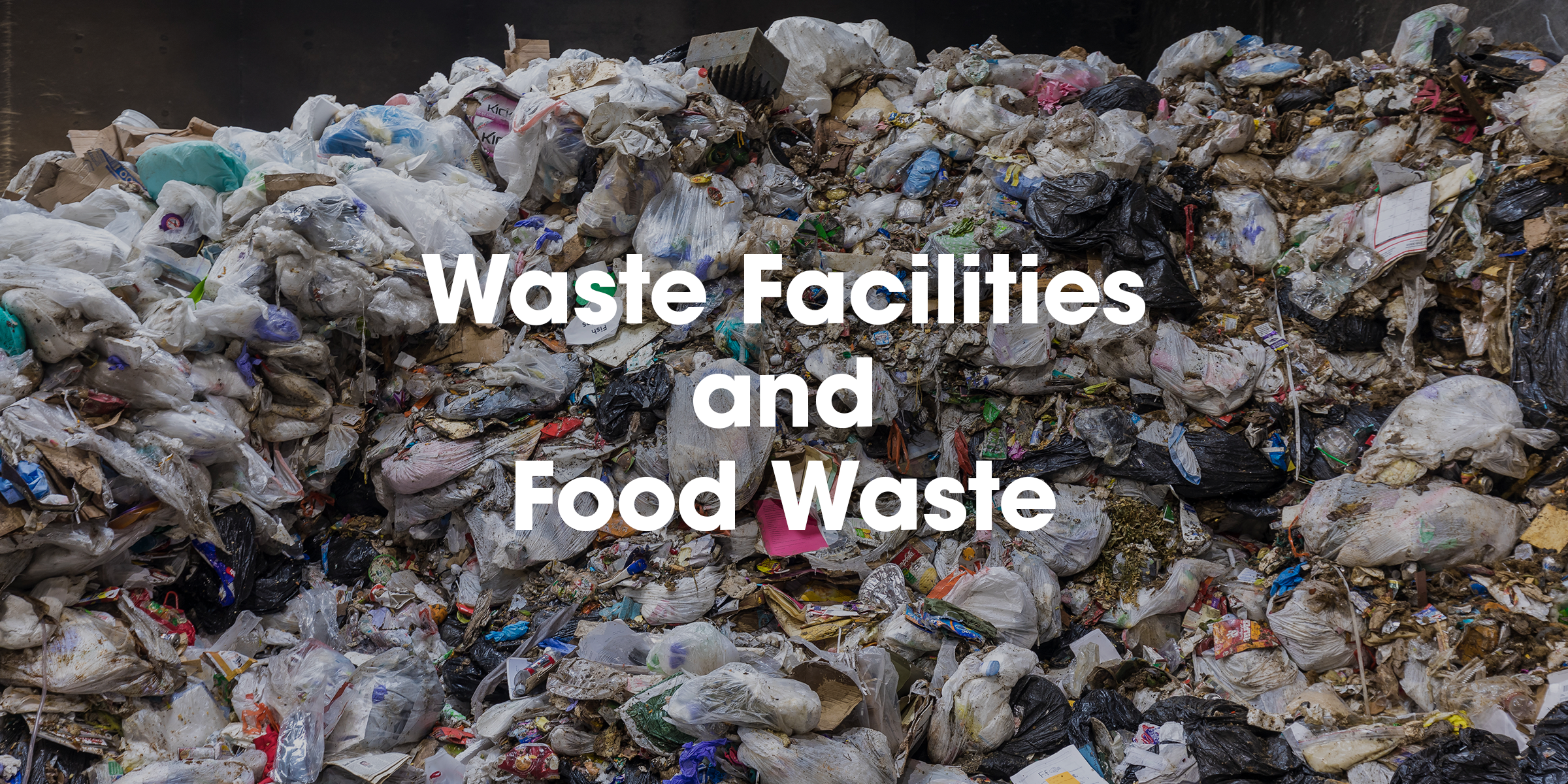
Food waste is a significant and growing problem in North America. As much as 40% of the U.S. food supply goes to waste, or more than 100 million tons per year. According to the EPA, food waste is the most common material landfilled (24% of municipal solid waste) and incinerated (22% of municipal solid waste).
What are the costs of this waste? In dollar terms, it’s estimated at over $400 billion per year. The environmental damage is also severe — methane emitted by landfilled organic waste is a powerful greenhouse gas (GHG), while the production of wasted food generates the equivalent of emissions from 32.6 million cars.
It’s no surprise that governments hope to divert more food waste from landfills, particularly by increasing composting and other disposal methods that don’t contribute to GHG emissions. Nine states, led by California, have passed legislation to divert organic waste from landfills.
For waste management facilities facing the problem of food waste and a shifting regulatory landscape, there is an upside — the organic waste market is expected to grow by a compound annual growth rate (CAGR) of 5.4% to reach over $100 billion in revenue by 2030. Those who can accept larger amounts of organic waste, process it in a regulation-friendly manner, and produce a valuable output stand to increase their revenue and market share. The key is the food waste processing technology to make it all possible.
Enter depackagers and food waste recyclers. Depackagers efficiently separate food waste from packaging, while recyclers turn food waste into a safe, nutrient-rich natural fertilizer. Given the growing regulatory emphasis on reducing landfill emissions, it makes business sense for waste management facilities to proactively tackle the problem of food waste.
Depackagers and Waterless Food Waste Recyclers Solve Multiple Challenges
Separating organics from other solid waste is no easy task, but existing waste management facilities have an advantage over new market entrants. “Waste managers already have the necessary solid waste permits and can accept food waste,” says Christy Hurlburt, Director of Product with Viably. “With the right equipment, they can make cost-effective upgrades that don’t require major infrastructure changes.”
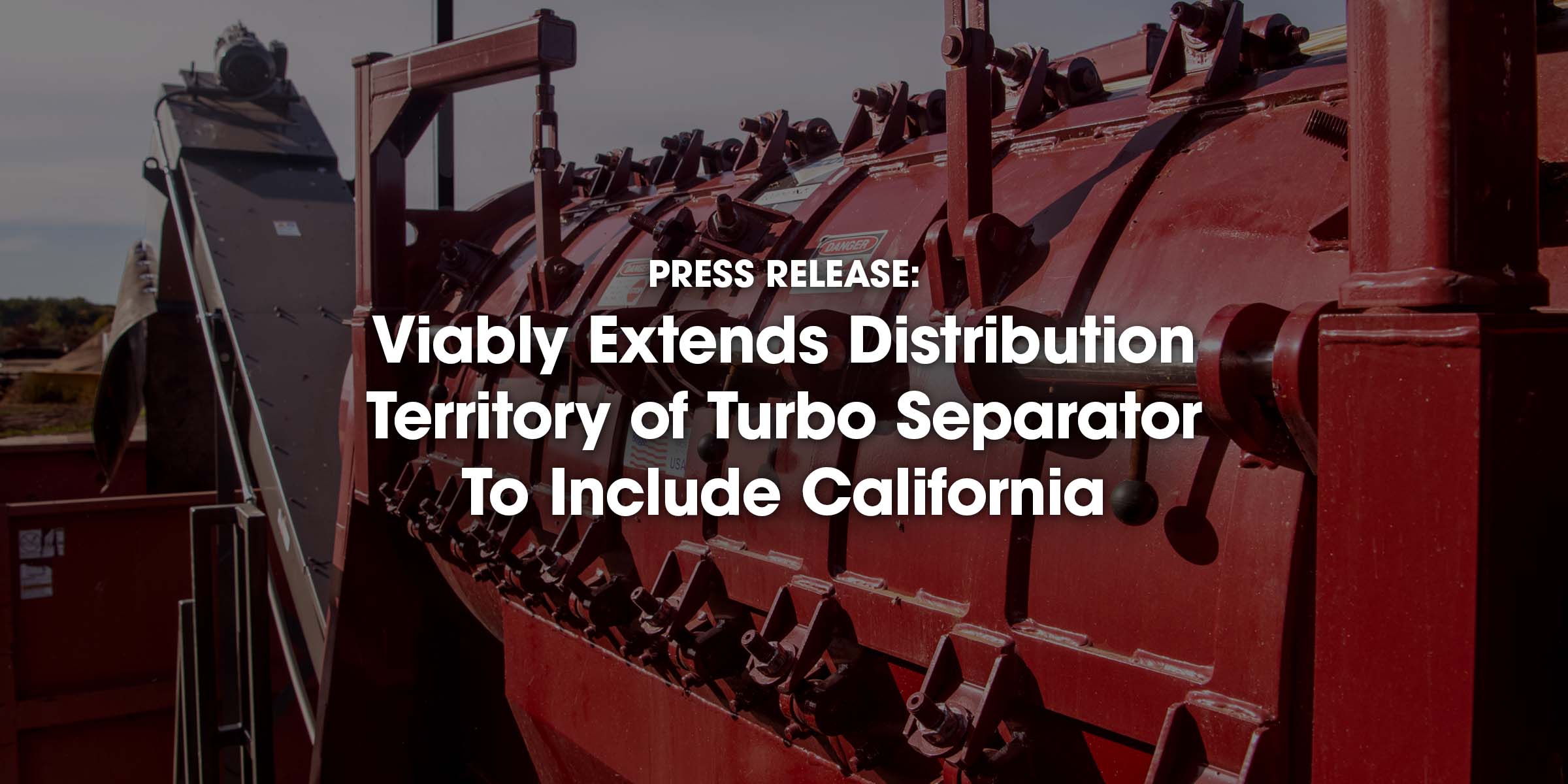
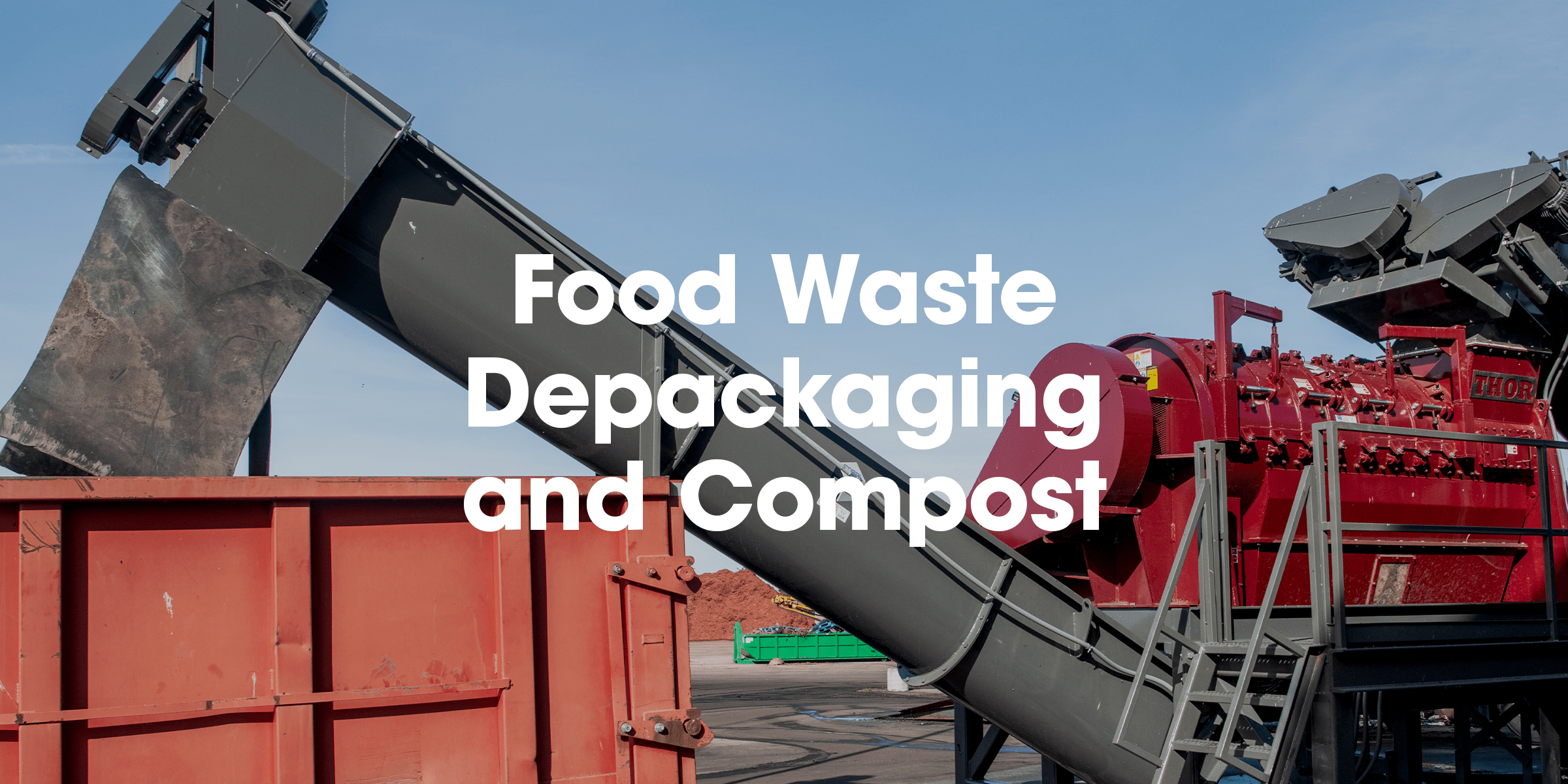
Depackagers such as the Turbo Separator series from Scott Equipment Company are free-standing machines that can handle anywhere from 5 to 30 tons of packaged or palletized food waste per hour, adding up to hundreds of tons per day. These electric-powered machines separate inorganic packaging and organic food waste so that each stream can be handled appropriately — packaging goes to recycling, and organics get composted or fed into a food waste recycler. This equipment is a game-changer for diverting food waste from landfills, especially because waste facilities can add it without costly land acquisition or permitting efforts.
On-site food waste recyclers (sometimes known as biodigesters) are the other half of the food waste equation, and they also generate significant output with a small footprint. In the past, these machines created a slurry that had to be handled by water treatment facilities, but today’s technology has overcome this hurdle. Waterless food waste recyclers use thermophilic microbes in high heat, along with airflow and rotation, to kill pathogens and decompose food waste into a stable soil amendment with a consistency similar to that of coffee grounds.
Harp Renewables’ waterless food waste recyclers, for example, can process up to 3,000 pounds of food waste per day, including meat, shells, and bones, and produce a soil amendment output in just 24 hours. “Food waste recyclers can be co-located at a landfill site or transfer station and process food waste even if a facility doesn’t have a full composting operation,” Hurlburt says. “Harp’s machines are continuous feed, so they can receive inputs throughout the day while only giving off a small amount of water vapor. At larger facilities, these food waste recyclers can even be strung together to increase capacity,” she adds.
Better for Business and the Environment
As more state and local governments require the diversion of organics and food waste from landfills, waste management facilities that accept and process such waste will see increased demand for their services. “If there is no commercial composting facility in a municipality, or siting one is bogged down in permitting and land use issues, existing facilities with on-site food waste processors are going to be able to meet those needs,” Hurlburt explains.
These are just some of the business and environmental benefits for waste management facilities:
- Waterless food waste recyclers are low maintenance and don’t require deep cleaning, which keeps costs down.
- The natural fertilizer produced by food waste recyclers can be sold as an additional revenue stream.
- Less decomposition and leachate from organic matter means less damage to landfill liners and other protective infrastructure.
- Depackagers and food waste recyclers quantify and validate emissions reduction with daily data on weight processed.
Ultimately, food waste is a complex problem that requires solutions throughout the supply chain, but waste management facilities have a crucial role to play. Previous iterations of food waste processing technology only partially solved the problem, but recent advancements, like depackagers and waterless food waste recyclers, make it cost-effective to process food waste on-site while meeting consumer and regulatory demands for environmentally responsible disposal. Waste management facilities can implement these solutions now and stay ahead of new regulations, as well as be ready to meet market needs in their region.
The time is right for new solutions to the perennial problem of food waste, and forward-thinking waste managers will capitalize on this moment.
To learn more about food waste solutions for waste management facilities, please contact Christy Hurlburt, Director of Product – Food Waste Recycling Solutions, at churlburt@thinkviably.com.
Download the Report: Unpacking The Potential of Food Waste Recycling
The U.S. organics waste market is expected to expand to more than $30 billion by 2030, and we want to make sure our customers can take advantage of it. Download this report and explore the environmental, financial, and legislative aspects of recycling food waste and get ready to capitalize on opportunities.