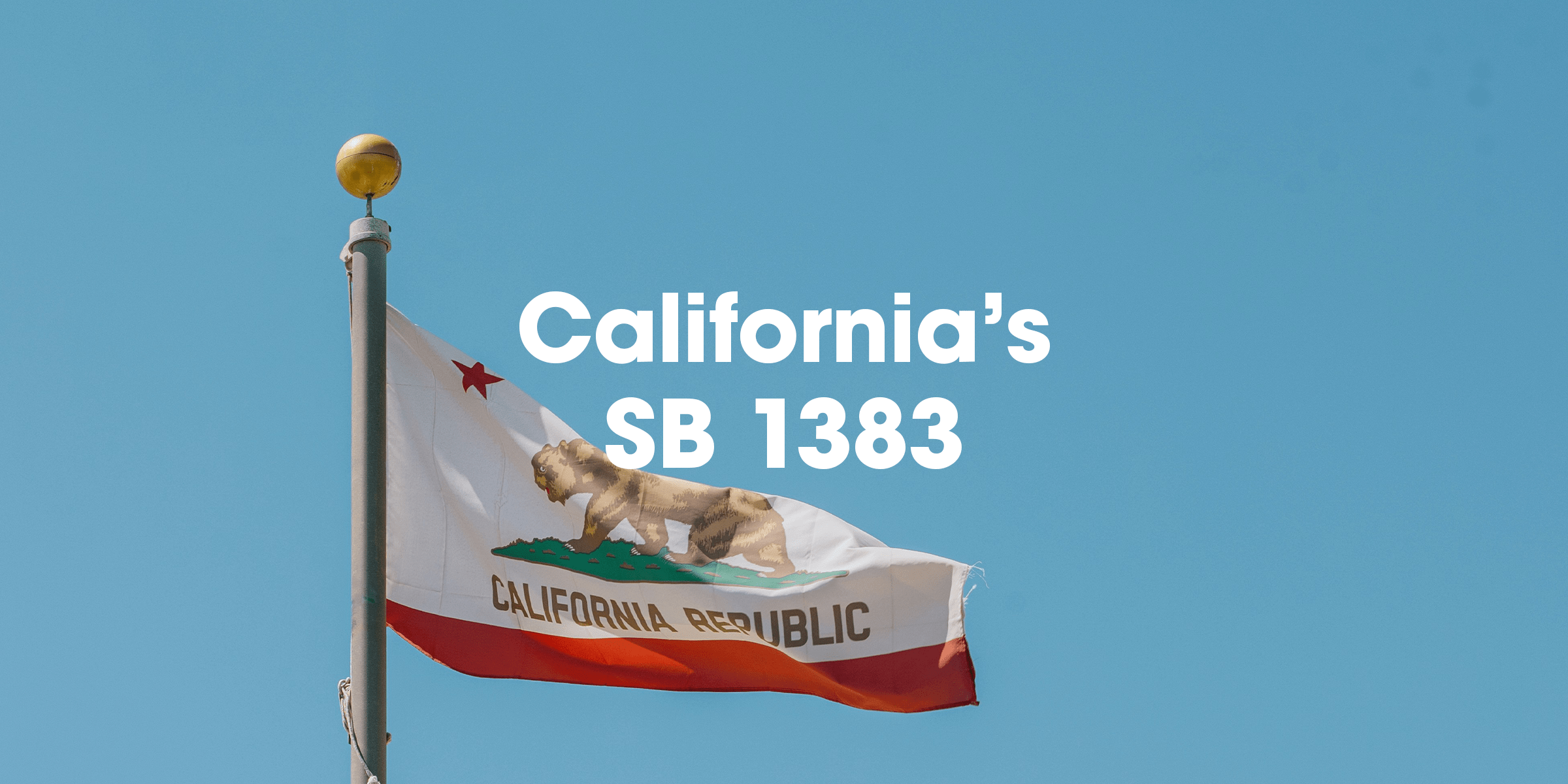
California has long been a leader in environmental initiatives, and Senate Bill 1383 (SB 1383) is another milestone in its fight against climate change. This revolutionary legislation aimed at reducing methane emissions by diverting organic waste from landfills is transforming how cities, businesses, and individuals manage waste, presenting challenges and opportunities. However, with the right infrastructure and equipment, California can not only meet these ambitious goals, leading the future of organic waste management, but also turn it into a profitable and sustainable practice.
What is California’s Senate Bill 1383?
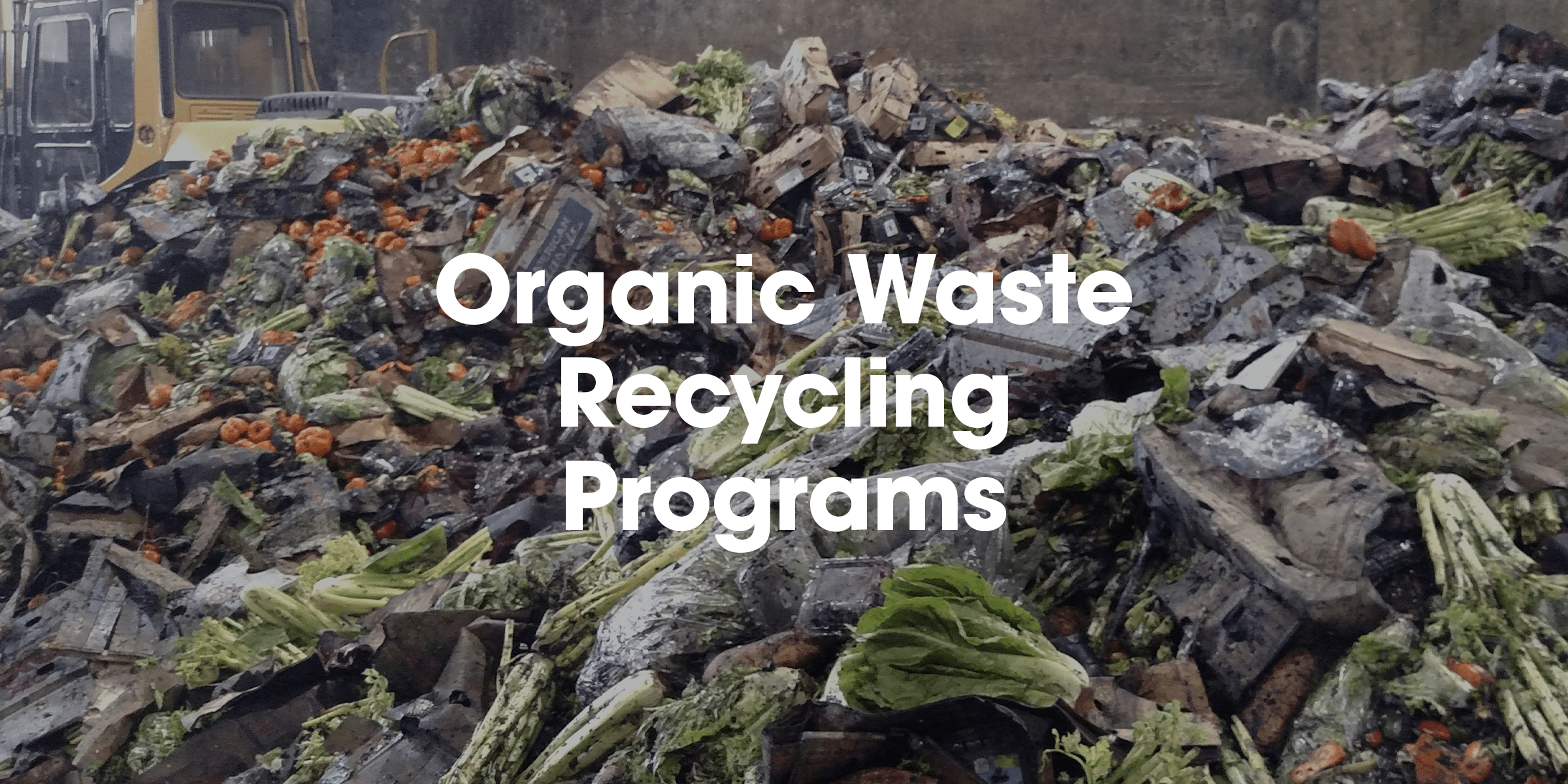
SB 1383 is a California law designed to reduce the state’s greenhouse gas emissions by reducing organic waste disposal. Each year, California disposes of around 20-23 million tons of organic waste, which includes food scraps, yard trimmings, and other biodegradable materials. This waste accounts for nearly half of the state’s total landfill content by weight. When this organic material decomposes in landfills, it produces methane—a potent greenhouse gas that is 84 times more effective at trapping heat than carbon dioxide over a 20-year period. This makes organic waste management a critical area for reducing California’s overall methane emissions.
SB 1383 mandates that 75% of organic waste must be diverted from landfills by 2025 and that 20% of edible food currently discarded must be recovered for human consumption by 2025. To meet these goals, SB 1383 introduces sweeping changes in how cities and businesses manage organic waste. It emphasizes the importance of efficient collection, composting, and food waste recycling infrastructures, all of which present challenges but also opportunities for innovation.
What does SB 1383 mean for California Municipalities and Businesses?
Both municipalities and businesses are leading the implementation of SB 1383, and while the changes may seem challenging, they are also a powerful catalyst for transformation. Organizations must rethink their waste management practices, presenting a unique opportunity. By embracing change, municipalities and businesses can innovate their operations, enhance resource efficiency, and lead the way toward a more sustainable and profitable future.
SB 1383 and California Municipalities
For California’s cities and counties, SB 1383 compliance involves setting up robust organic waste collection programs. They must ensure that residents have access to separate bins for organic waste and that the collected material is processed at composting or anaerobic digestion facilities. However, some municipalities lack the infrastructure to process such a large volume of organic waste. That’s where upgrading, retrofitting, or acquiring and implementing new technology becomes crucial. With proper planning and investment, municipalities can streamline their organic waste operations. By adopting modern recycling technologies, municipalities can not only meet SB 1383 requirements but also reduce operational costs over time.
SB 1383 and California Businesses
The legislation creates new responsibilities for businesses in California, especially those in industries like food service, grocery, and hospitality, to divert food scraps and organic waste from landfills. While this may require operational adjustments, businesses embracing organic waste recycling will benefit in the long term. With the right strategies, they can reduce waste disposal costs, improve their sustainability credentials, and even generate revenue from selling compost or natural fertilizers produced from organic waste.
The Role of Proper Organic Waste Recycling Equipment
One of the biggest keys to complying with SB 1383 is having the right equipment. Without efficient systems to collect, process, and recycle organic waste, municipalities and businesses will struggle to meet the state’s ambitious targets. Organic waste recycling equipment, such as food depackaging systems, commercial composting equipment, and waterless food waste recyclers, helps maximize resource recovery while minimizing waste. These solutions enable faster processing of organic material and create valuable end-products, making recycling more efficient.
Making Organic Waste Recycling Profitable
Organic waste recycling doesn’t just have to be about compliance; it can be a revenue generator. Many facilities can sell the compost or natural fertilizers produced from organic waste, turning what was once an expensive cost in transportation and landfill tipping fees into a profit center. Additionally, businesses that commit to sustainability often see an improvement in their brand reputation, which can attract new, environmentally conscious customers. The right organics and food waste recycling equipment makes producing high-quality compost and natural fertilizer products easier, creating opportunities for municipalities and companies to turn organic waste into valuable commodities.
How Viably Technologies Make a Difference
Viably is committed to helping California municipalities and businesses meet SB 1383’s requirements with innovative waste recycling solutions. We offer a range of solutions that make organic waste management more straightforward and efficient. As the North American master distributor of Komptech equipment, Viably offers a comprehensive, four-step composting process that follows Shred-Turn-Screen-Separate. This process begins with the shredding of organic waste, including green waste. Using a low-speed, high-torque shredder, like the Komptech Crambo 3400, on the front end of the composting process produces a compostable material with greater surface area. Shredding helps create better aeration and porosity in the windrow and makes removing contaminants much easier. The next step is turning the compost windrow. Creating tall, peaked windrows is integral to a successful composting process. Komptech Topturn windrow turners are engineered to mix the row from the outside to the inside efficiently, leaving behind a windrow with a desired “chimney effect.” This provides the optimum porosity and pile structure to increase temperatures, reduce composting times, and minimize odors. The third step in the Komptech Composting Process is screening. Screening compost helps ensure a high-quality, uniform product. Depending on the input material, screening can utilize either a trommel screen or a star screen. Trommel screens, like the Komptech Nemus 2700, are built for heavy, abrasive materials often found in topsoil. Star screens, such as the Komptech Multistar XL3, are designed to process organics, even wet material, efficiently. Finally, separation helps to extract contamination, leaving a high-quality end product. It becomes difficult to sell when glass, plastic, stones, and other materials that don’t decompose are found in compost. It’s best to utilize separation technology such as the Komptech Hurrikan S windsifter, which removes materials like film plastics, ferrous metals and stones, and other round contaminants.

Shred with the Crambo

Turn with the Topturn

Screen with the Multistar

Separate with the Hurrikan
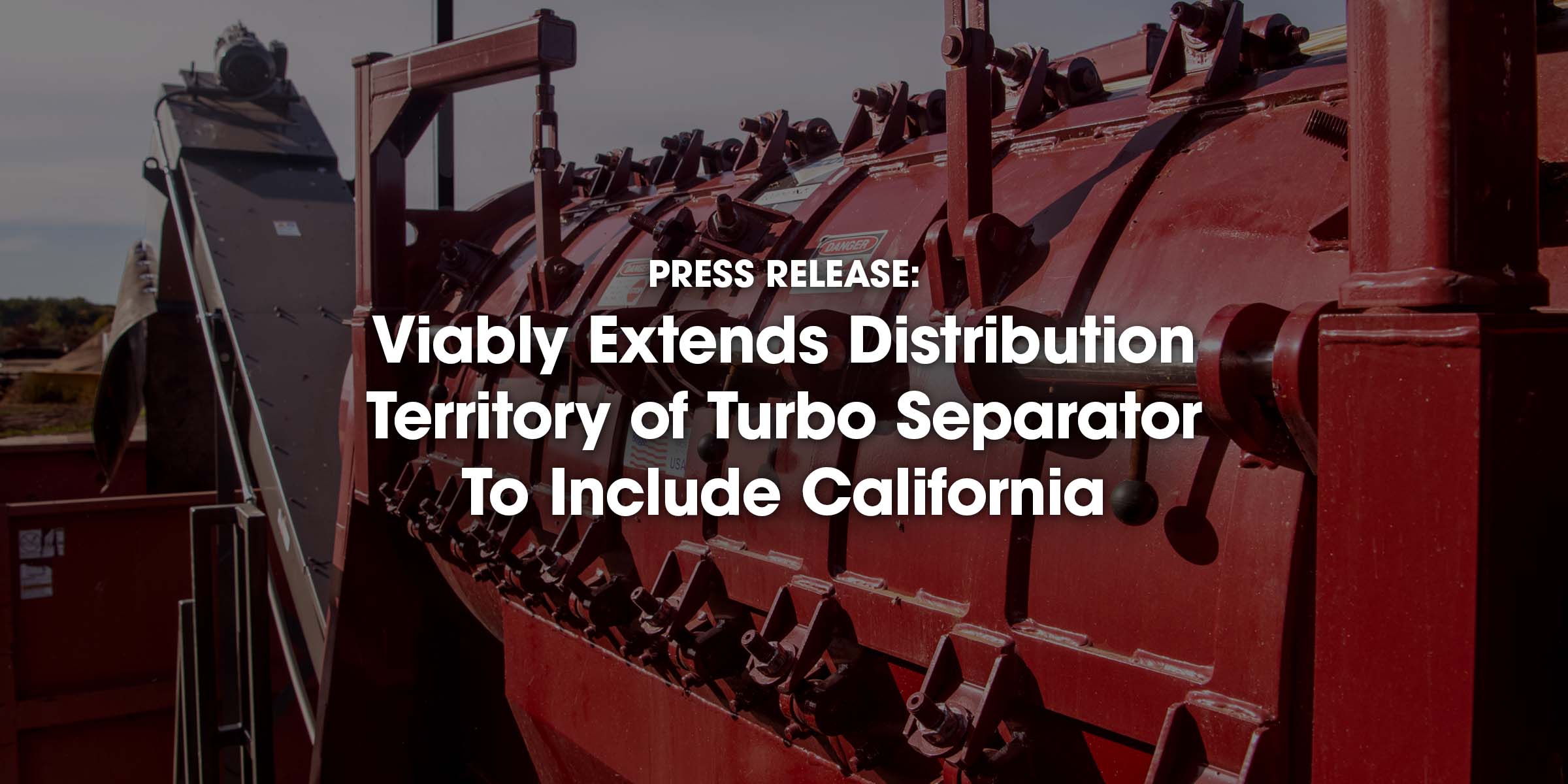
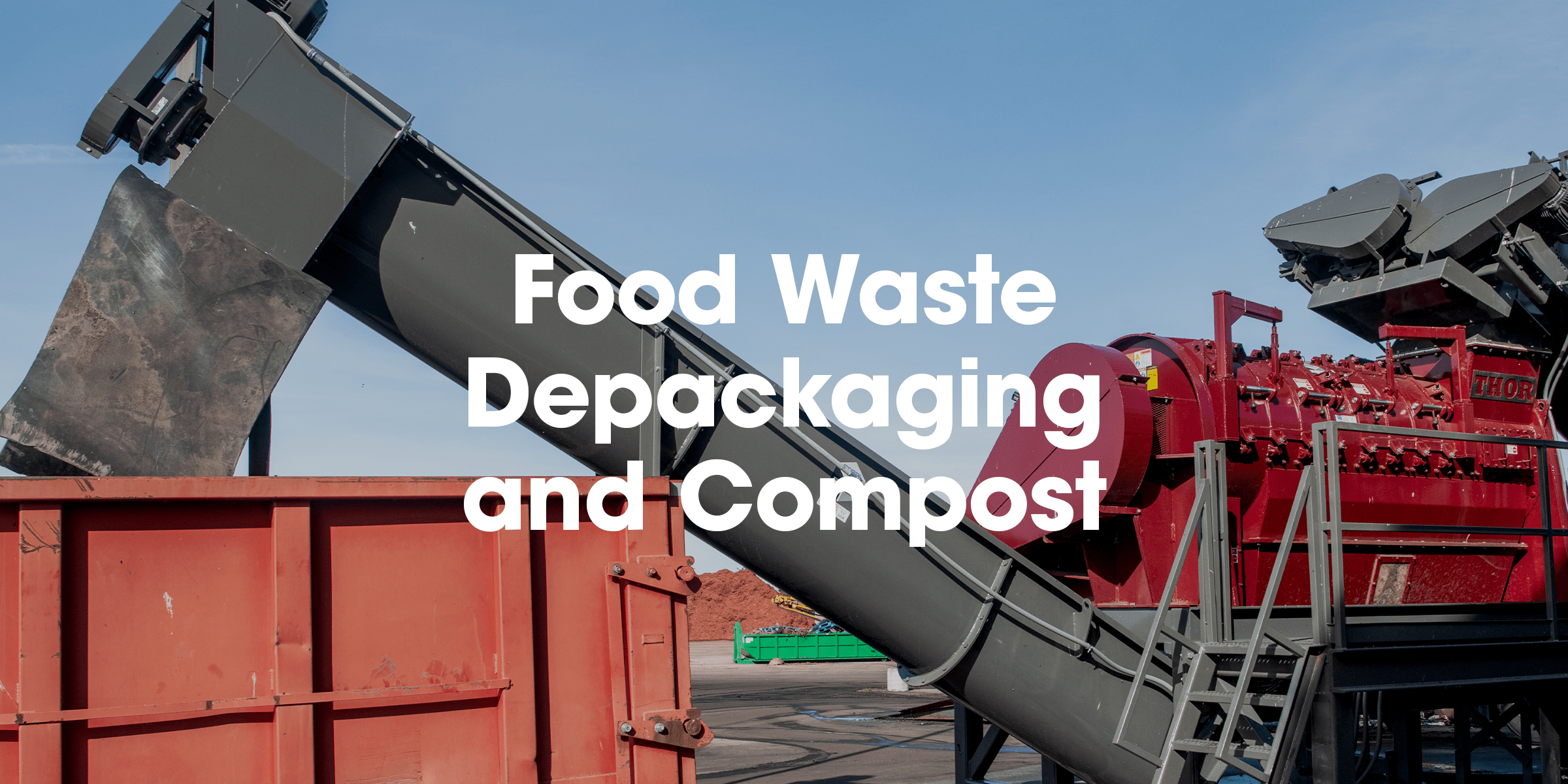
In addition to the Komptech line of organic waste recycling equipment, Viably provides industry-leading equipment such as the Turbo Separator food waste depackaging system, which efficiently separates and recovers 99% organic material from inorganic packaging, which can then be incorporated into commercial compost production and diverted from landfills. The Harp Renewables food waste Recycler transforms food and other organic waste into a highly-valued, dry, safe, and nutrient-rich organic fertilizer while reducing the weight and volume of waste by an average of 75% in 24 hours. This fertilizer can be used in gardening and landscaping or also incorporated into compost. Viably’s diverse range of organic waste recycling solutions can meet the needs of organizations of all sizes, from small and medium-sized businesses to large enterprises and municipalities. With our consultative approach, Viably helps businesses assess their current waste management practices, identify areas for improvement, and recommend customized solutions that fit their specific operational goals. By leveraging our expertise and the latest innovations in organic waste recycling, organizations can effectively adopt sustainable practices that comply with SB 1383 while maximizing efficiency and profitability.
A Blueprint for the Future of Waste Management
SB 1383 is just the beginning of a broader movement toward stricter organic waste regulations, with similar legislation likely to be introduced in other parts of the country. Municipalities and businesses across the U.S. are already successfully adapting to organic waste recycling, demonstrating the potential for both environmental and economic benefits. By adopting advanced technologies like those offered by Viably, organizations can reduce landfill use, achieve significant cost savings, and improve sustainability. As more regions follow California’s lead, investing in the right equipment will ensure compliance and position businesses and municipalities to thrive in the future of waste management.
Viably can help your business meet SB 1383 regulations and optimize operations. Contact us today for a complimentary consultation.