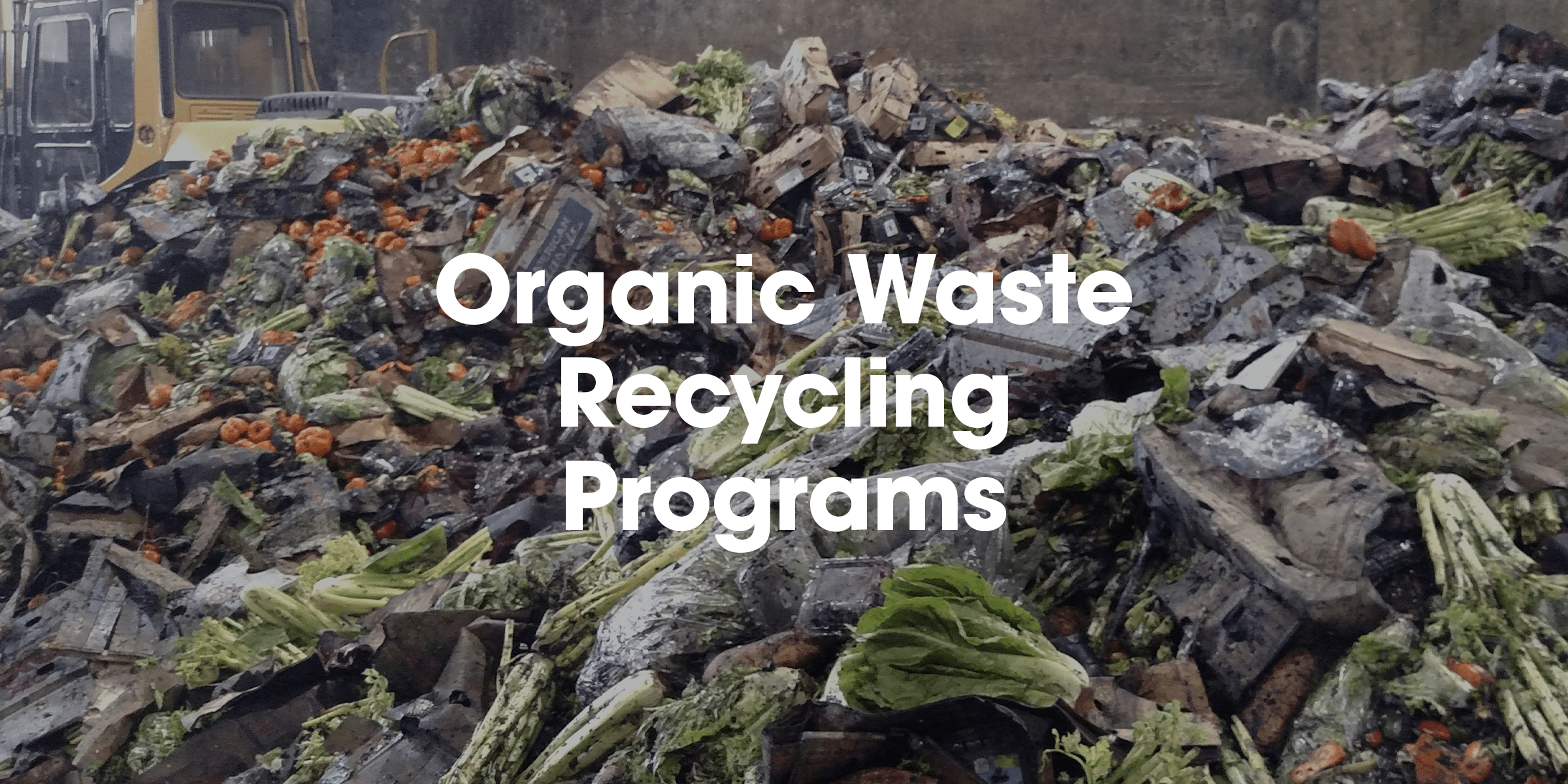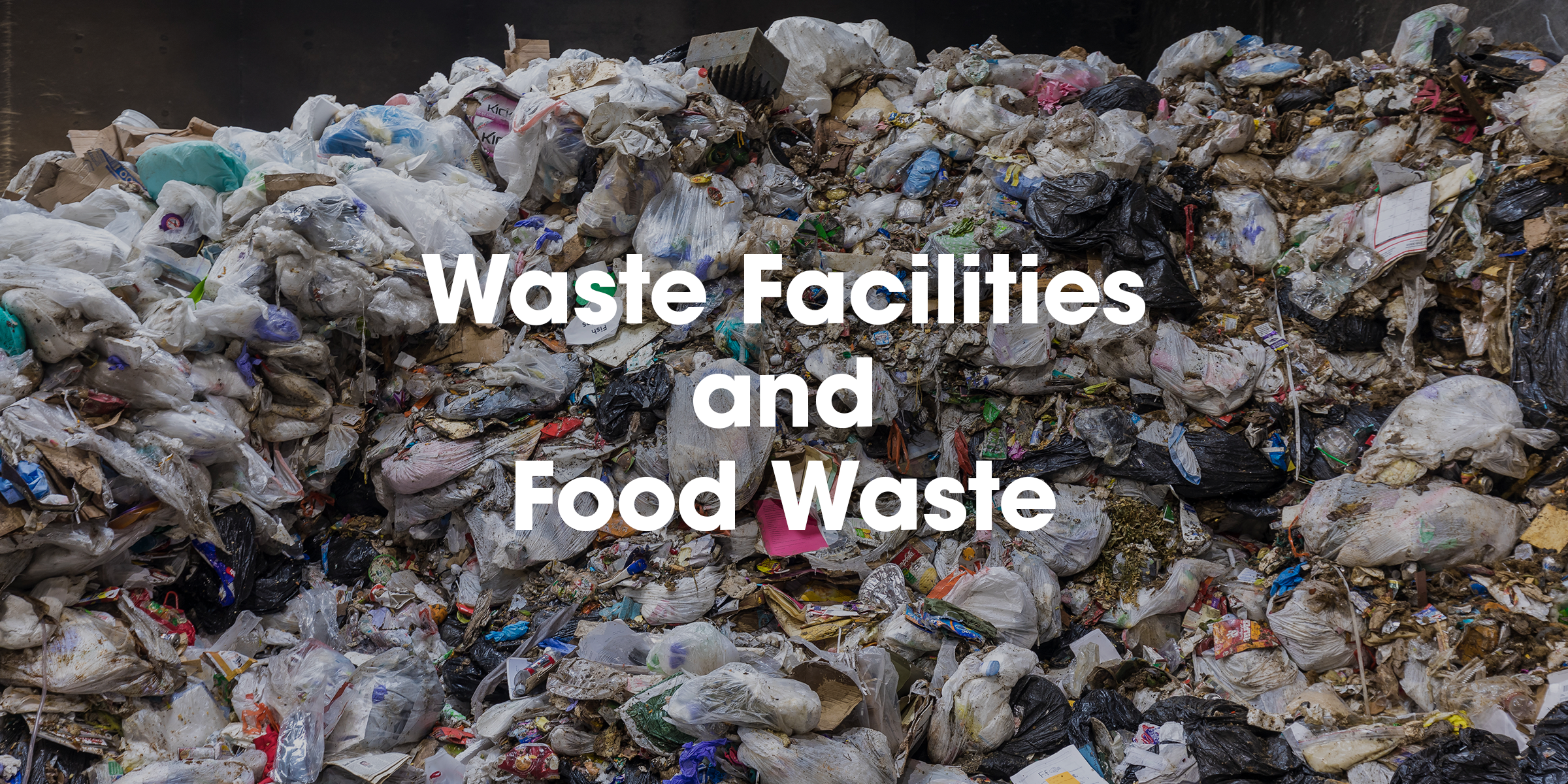
In a world where change is the only constant, the issue of food waste has taken center stage in discussions surrounding environmental sustainability and economic efficiency. Packaged food waste presents a unique challenge due to the combination of recyclable organic material and non-biodegradable packaging. This creates a significant environmental footprint and has the potential to generate substantial economic costs.
Despite the growing conversation around sustainable practices and greenhouse gas emission reduction, the practice of depackaging food waste is still relatively underutilized. Food depackaging offers a viable solution that can significantly reduce the environmental impact and financial burden of waste management while also creating profitable opportunities for businesses. This article aims to explore the costs associated with not adopting depackaging practices, thereby highlighting the critical need for change in how we manage food waste.
Understanding Depackaging
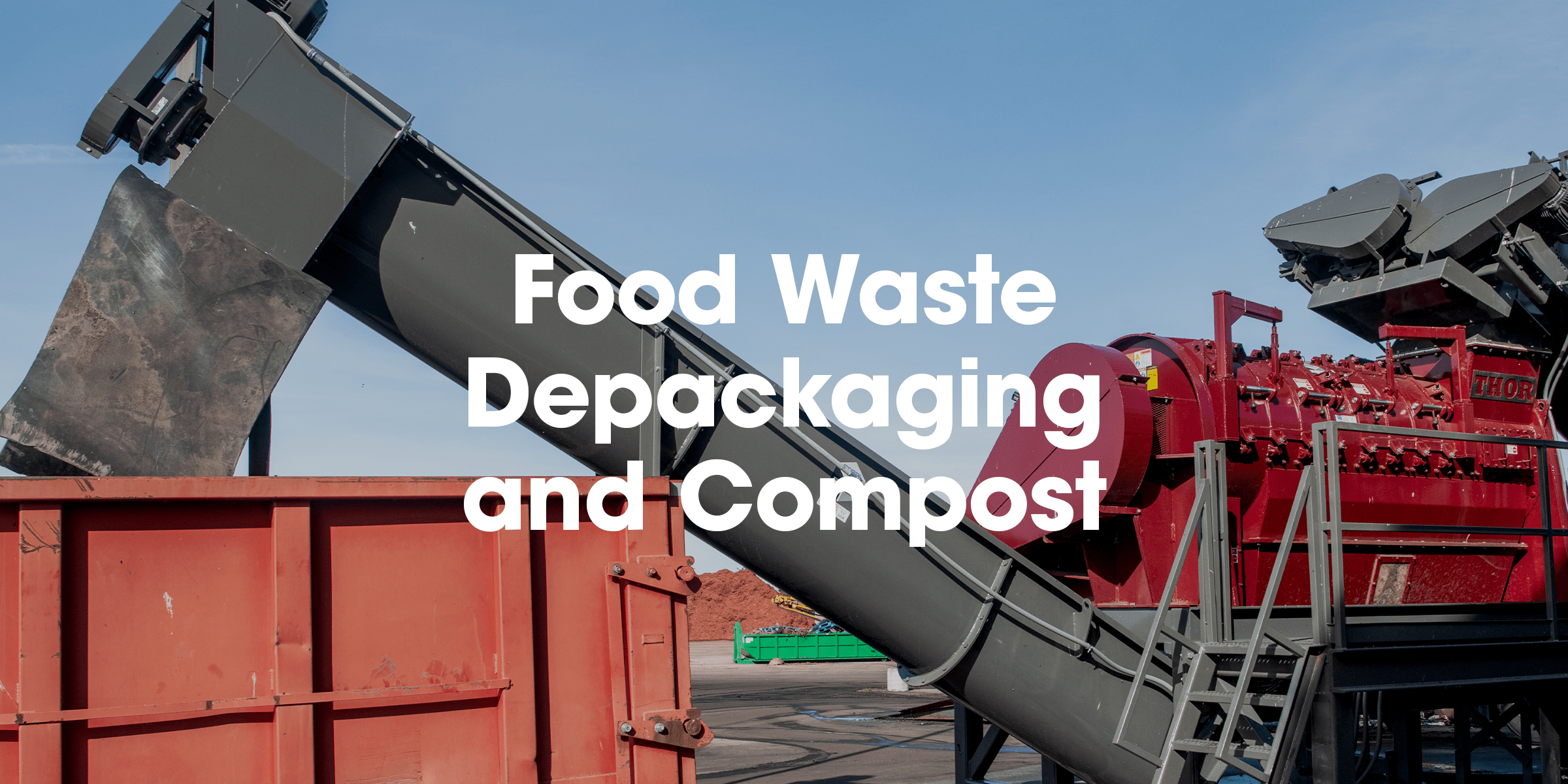
Food Waste Depackaging is an innovative waste management process that plays a crucial role in sustainability by effectively separating organic materials from inorganic packaging materials. This process not only enables the recycling or composting of biodegradable material but also ensures that valuable resources are not lost in the waste stream and potentially the landfill. By addressing the dual challenge of managing both the organic and inorganic components of food waste, depackaging serves as an essential strategy for reducing overall waste.
The depackaging process typically involves specialized machines that can efficiently separate and remove packaging materials, such as plastics, cardboard, paper, and metals, from organic waste. By removing packaging, businesses, especially in the food industry, can divert a significant portion of their waste from landfills, thus minimizing their environmental impact.
Additionally, implementing depackaging systems can enhance corporate social responsibility efforts, promote a circular economy, and contribute to broader environmental goals by enabling more effective waste management practices. Overall, depackaging not only helps reduce landfill waste but also supports sustainable resource recovery and promotes a healthier planet.
Environmental Benefits
The environmental advantages of depackaging food waste are profound. First and foremost, it reduces the volume of organics sent to landfills. This is crucial because landfills constitute a significant source of methane emissions, a potent greenhouse gas. By diverting organic waste, depackaging can significantly reduce these emissions.
Depackaging can also enhance overall soil health when clean organics can be recycled and facilitated into commercial composting operations and production. Composting returns valuable nutrients to the soil, promoting agricultural productivity and reducing the need for chemical fertilizers. The depackaged food waste adds valuable organic nutrients to the composting process, resulting in healthier compost products. This not only benefits the environment but also supports sustainable agricultural practices.
Economic Costs of Not Depackaging Food Waste
Financial Implications for Stakeholders
For packaged food producers, resellers, and recyclers, failing to adopt depackaging practices can be financially detrimental. Traditional waste management methods often incur higher costs due to landfill tipping fees, regulatory compliance, and the inefficiencies of handling mixed waste streams.
By contrast, depackaging can offer substantial savings. Businesses that invest in depackaging technology can reduce their waste disposal costs, potentially leading to lower overall operational expenses. Depackaging can also open new revenue streams through the sale of recyclable materials and compost products.
Evaluating Value for Investment
While initial investments in depackaging equipment may appear significant, they are often offset by reduced landfill fees and increased revenue from recycled materials. Furthermore, businesses that prioritize depackaging may benefit from tax incentives and subsidies designed to encourage sustainable waste management practices and legislative adherence.

Depackaging costs are often offset by decreased landfill fees and revenue from recyclables.
California’s landmark legislation, Senate Bill 1383 (SB 1383), serves as a compelling example of how regulatory mandates can drive the adoption of food waste depackaging practices. Enacted with the goal to reduce organic waste disposal by 75% by 2025, SB 1383 necessitates that businesses and organizations divert organic waste away from landfills. This legislation not only underscores the urgency in addressing methane emissions but also highlights the necessity for innovative solutions like food depackaging.
By implementing depackaging technologies, businesses in California can efficiently separate and process organic waste, thereby ensuring compliance with the law while optimizing waste management operations. This alignment with regulatory goals underscores the broader economic and environmental benefits of depackaging, setting a precedent that other states may follow.
What Successful Depackaging Initiatives Look Like
A variety of businesses have an opportunity to implement depackaging strategies to leverage the potential benefits successfully. These initiatives would most likely involve the integration of advanced depackaging technologies along with potential partnerships with waste management companies to optimize waste diversion.
Food retailers, such as grocery stores and food distribution companies, can significantly benefit from adopting more efficient recycling practices for their food waste instead of sending it to landfills. By implementing effective recycling systems, they can reduce disposal costs and minimize environmental impact. What’s more, recycling food waste allows these retailers to recover valuable materials, potentially generating additional revenue from compost and recyclable products. Embracing these practices not only supports sustainability but also enhances their reputation as eco-responsible businesses.
Commercial composting operations could capitalize on depackaging by processing organic waste more effectively, leading to increased production of premium compost products. By removing packaging materials from organic waste, these operations can enhance the purity and quality of the compost produced, making it more appealing to consumers and agricultural users. Efficient depackaging can also significantly reduce contamination risks, ensuring that the resulting compost is safe and sustainable for various applications, ultimately fostering a more environmentally friendly waste management system.
Barriers to Entry for Food Waste Depackaging
Challenges and Obstacles
Despite the clear benefits, several barriers may hinder the adoption of depackaging practices within organizations. One of the primary challenges is the initial cost of acquiring and implementing depackaging technology. For small and medium-sized enterprises, this upfront investment can be significant. To overcome financial and operational challenges, businesses should consider partnering with equipment suppliers who not only provide state-of-the-art depackaging equipment but also maintain an inventory of essential parts and offer prompt technical services to ensure optimal uptime and minimize operational disruptions. Additionally, businesses should explore equipment partners that present attractive financing options suited to their needs, making initial investments more feasible. For municipalities and government sector organizations, cooperative purchasing options like Sourcewell and Canoe can streamline the purchasing process and facilitate quicker adoption of depackaging technology, thereby aligning public sector goals with sustainable practices.
Regulatory complexities and the absence of standardized guidelines for depackaging processes present challenges for businesses in various industries. For instance, in the food and beverage sector, companies must adhere to strict regulations set by entities like the Food and Drug Administration (FDA) in the United States that require that food packaging materials be labeled with recycling and disposal information. These regulations often vary by state, leading to confusion about proper depackaging methods that ensure compliance.
Furthermore, there is a significant lack of awareness and understanding of depackaging among various stakeholders in the industry. Many businesses are not fully informed about the potential benefits of implementing depackaging practices, such as reducing waste, improving sustainability, and enhancing operational efficiency. This knowledge gap often leads to hesitancy and reluctance to adopt these practices, which can ultimately hinder their progress toward more environmentally friendly operations and waste management solutions. By fostering greater awareness about depackaging, stakeholders could unlock new opportunities for innovation and responsible resource usage.
Solutions and Opportunities
Overcoming Barriers With Technological Advancements
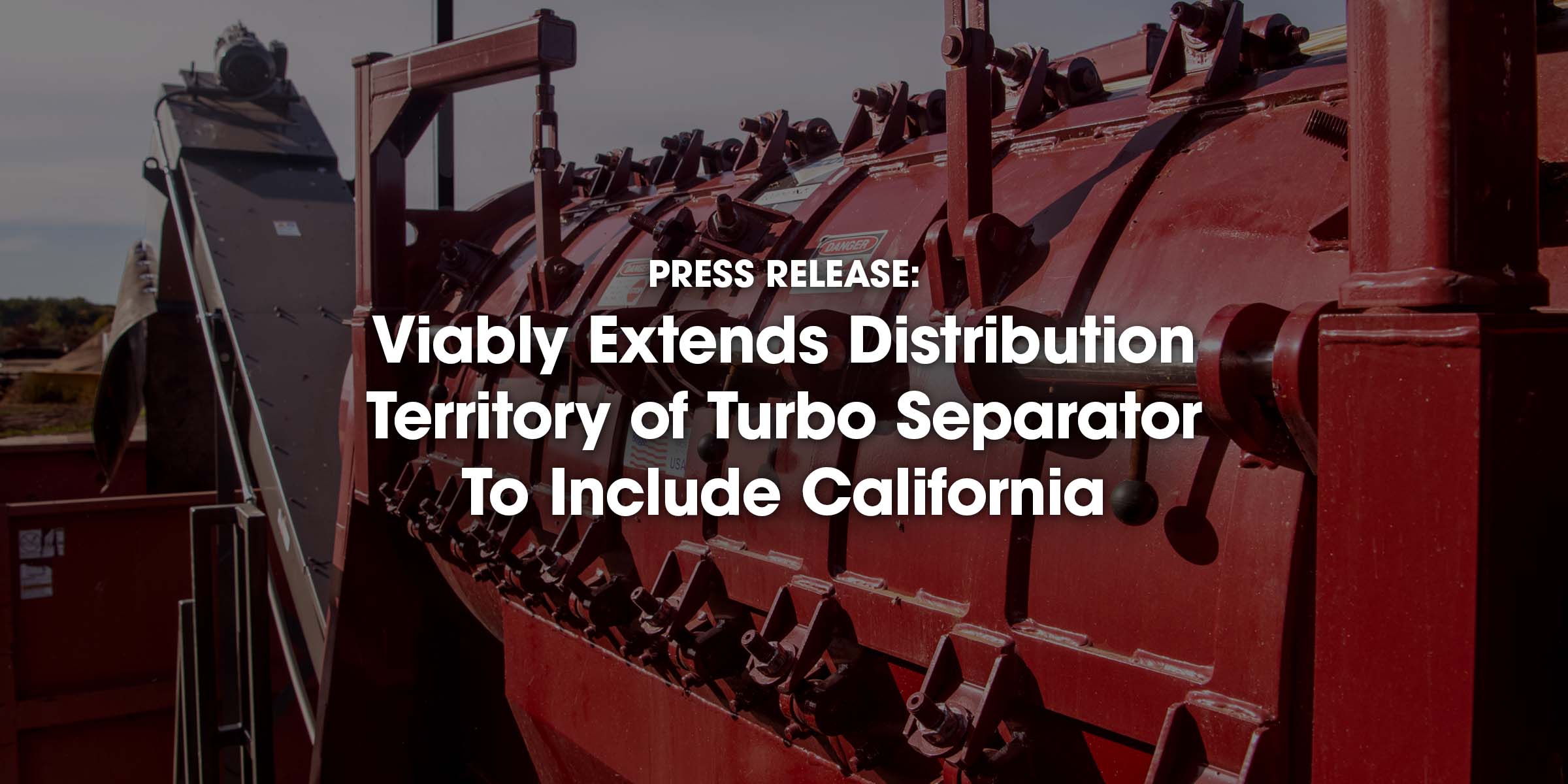
To address barriers to food waste depackaging adoption, technological advancements play a crucial role. Innovative solutions, such as the Turbo Separator line of depackagers manufactured by Scott Equipment Company, offer efficient and cost-effective options for businesses looking to implement depackaging into their operations. These systems are designed to handle a wide range of food packaging materials and organic waste types, making them versatile tools for waste management.
The Turbo Separator is a cutting-edge technology designed to streamline the process of depackaging organic food waste, offering superior separation capabilities by efficiently disentangling food packaging from its contents. At its core, the Turbo Separator operates by utilizing a process of centrifugal force to dismantle and segregate unwanted packaging from valuable food waste, ensuring an impeccable purity level of the organic output. This advanced mechanism not only optimizes the speed and efficiency of food waste processing but also significantly reduces the risk of contamination within the resulting organic material.

The Turbo Separator offers superior organics and food packaging separation capabilities.
Viably, the U.S. distributor of Scott Equipment depackagers offers a complete range of Turbo Separator models tailored to meet the diverse needs of businesses across various industries. From the robust industrial models like the Thor and T-42 designed for high-capacity food manufacturers and recyclers to the more compact units intended for small to mid-sized enterprises, there is a Turbo Separator model to suit most any throughput need. Each Turbo Separator model is engineered with precision, guaranteeing high performance and reliability, which translates into reduced downtime and maintenance costs. Customizable features are available that allow businesses to optimize the Turbo Separator for specific operational requirements, making these machines truly adaptable solutions.
Opportunities in the Depackaging Industry
Food waste depackaging presents significant opportunities for growth and innovation within the waste management sector. As more consumers and businesses become aware of the environmental impacts of food waste, there is a growing demand for practical solutions. Waste management companies and organizations with a long-term sustainability focus can enhance their service offerings by incorporating advanced depackaging solutions. This not only attracts new clients but also increases revenue streams through the recycling of both food and packaging.
Moreover, businesses that invest in cutting-edge depackaging technology can position themselves as leaders in sustainable practices. By adopting these innovative solutions, they can significantly reduce landfill waste, lower greenhouse gas emissions, and contribute to a circular economy. This proactive approach not only enhances their brand image but also resonates with environmentally conscious consumers who prioritize sustainability in their purchasing decisions. In this way, companies can build a competitive advantage while making a positive impact on the planet.
The Future of Depackaging Food Waste
Looking ahead, food depackaging is poised to play a pivotal role in the future of waste management. As sustainability becomes a top priority for businesses and consumers alike, depackaging offers a tangible solution to the environmental and economic challenges associated with food waste.
Technological advancements, such as the Turbo Separator, are set to revolutionize the efficiency and effectiveness of food depackaging. These advancements will not only enhance the speed and precision of the depackaging process but also reduce operational costs, making these systems increasingly vital to businesses of all sizes. As companies look for sustainable solutions to manage packaged waste, the integration of cutting-edge technology will empower them to streamline their operations and contribute positively to environmental efforts. Ultimately, the Turbo Separator represents a significant leap forward in the quest for more innovative, more effective depackaging solutions.
A Call to Action
For stakeholders in food production, retail, and distribution, as well as those in the waste management sector, the time to act is now. By embracing depackaging technology into their operations and processes, these businesses can reduce their environmental footprint, lower operational costs, and tap into new revenue streams. Collaboration among packaged food producers, resellers, recyclers, and regulatory bodies is essential to drive the widespread adoption of depackaging practices.
Failing to adopt depackaging technology can lead to significant costs for businesses, both financially and environmentally. Depackaging offers a sustainable solution that can help mitigate greenhouse gas emissions, enhance soil health, and provide financial benefits to businesses. While challenges and barriers exist, innovative technologies can pave the way for successful depackaging initiatives. By taking collective action and prioritizing depackaging, we can work towards a more sustainable future that benefits businesses, consumers, and the planet.

Download the Report: Unpacking The Potential of Food Waste Recycling
The U.S. organics waste market is expected to expand to more than $30 billion by 2030, and we want to make sure our customers can take advantage of it. Download this report and explore the environmental, financial, and legislative aspects of recycling food waste and get ready to capitalize on opportunities.