The Oregon Department of Environmental Quality (DEQ) is preparing to launch a food waste infrastructure grant. Beginning September 23, 2026, Oregon DEQ will make approximately $28 million available to support projects that reduce landfill methane emissions by expanding food waste recovery and processing capacity.
The food waste processing infrastructure grant is for composters, anaerobic digestion operators, municipalities, tribal governments, and organizations working to build local food waste infrastructure. Unlike some grant programs that focus on planning, outreach, or waste reduction education, this funding is heavily focused on creating additional food waste processing capacity and keeping organic material out of landfills and is right in Viably’s wheelhouse.
What Is the Oregon DEQ Food Waste Processing Grant Program?
The funding is being provided through Oregon DE’s Climate Equity and Resilience Through Action (CERTA) initiative, which received federal funding to reduce greenhouse gas emissions across multiple sectors. Food waste was identified as a major priority because food waste remains one of the largest contributors to landfill methane emissions.
According to Oregon DEQ, increasing the state’s food waste processing capacity is viewed as a critical strategy for achieving climate goals while supporting local circular economy infrastructure. The program includes two primary funding categories:
Large-Scale Food Waste Processing Infrastructure
Approximately $25.7 million is expected to be available for projects that increase food waste processing capacity.
Small-Scale Composting Projects
Approximately $1.7 million is available for community-based composting initiatives, collection pilots, drop-off programs, and similar local food waste diversion efforts. All funded projects must be completed by March 2029.
What Can Oregon Food Waste Grants Fund?
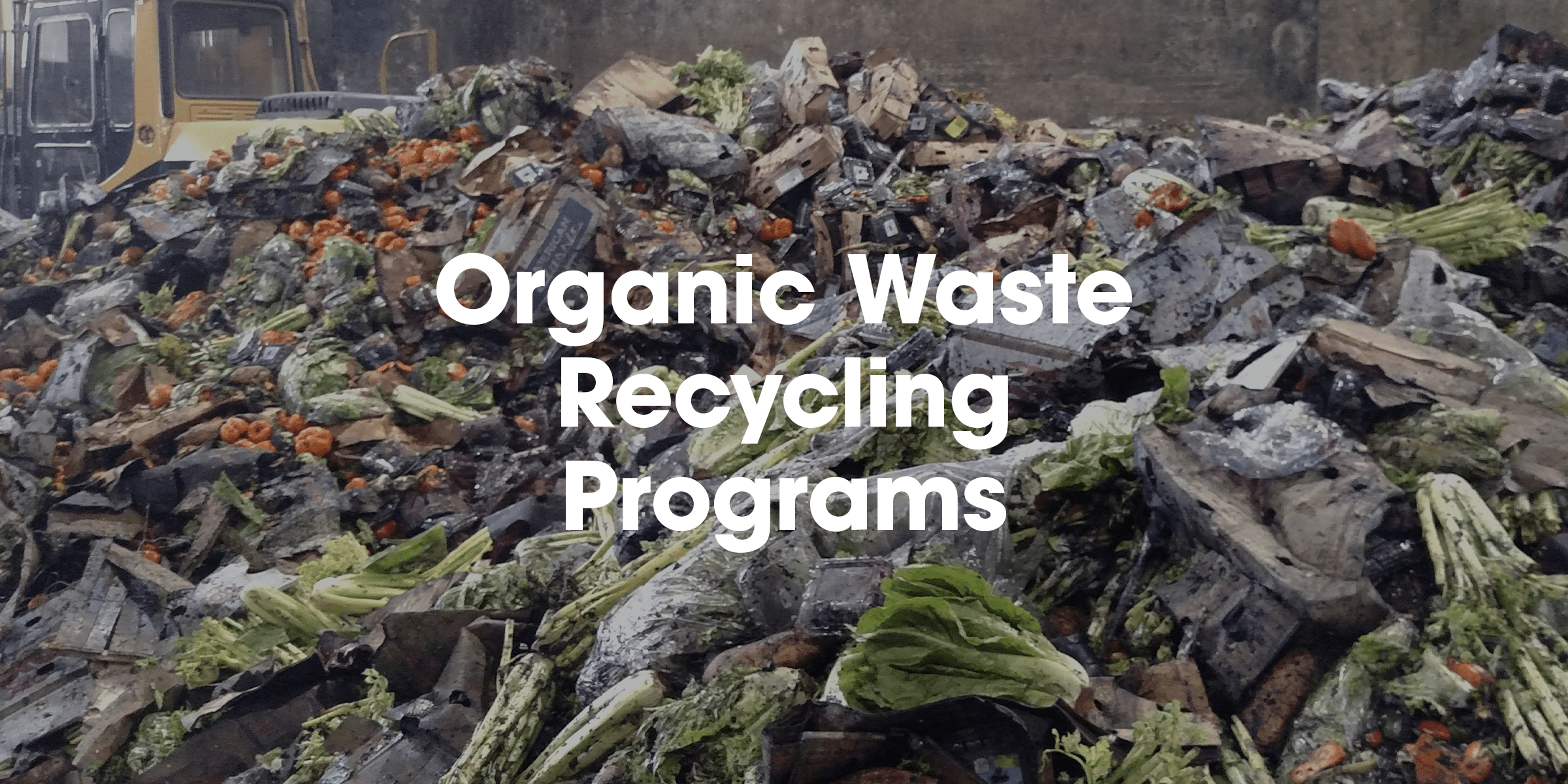
One of the biggest challenges facing the organics industry is a lack of food waste processing capacity.
Across North America, food waste diversion requirements continue to expand while many regions still struggle with limited access to permitted processing facilities. Building or expanding composting infrastructure requires significant capital investment, permitting, equipment, and operational expertise. Funding opportunities specifically targeted at processing infrastructure are relatively rare.
For industrial composters, Oregon’s program is noteworthy because DEQ specifically identifies opportunities related to:
- Compost facility expansion
- New compost facility development
- Composting equipment
- Anaerobic digestion infrastructure
- Aerated static pile composting systems
- Food waste processing equipment
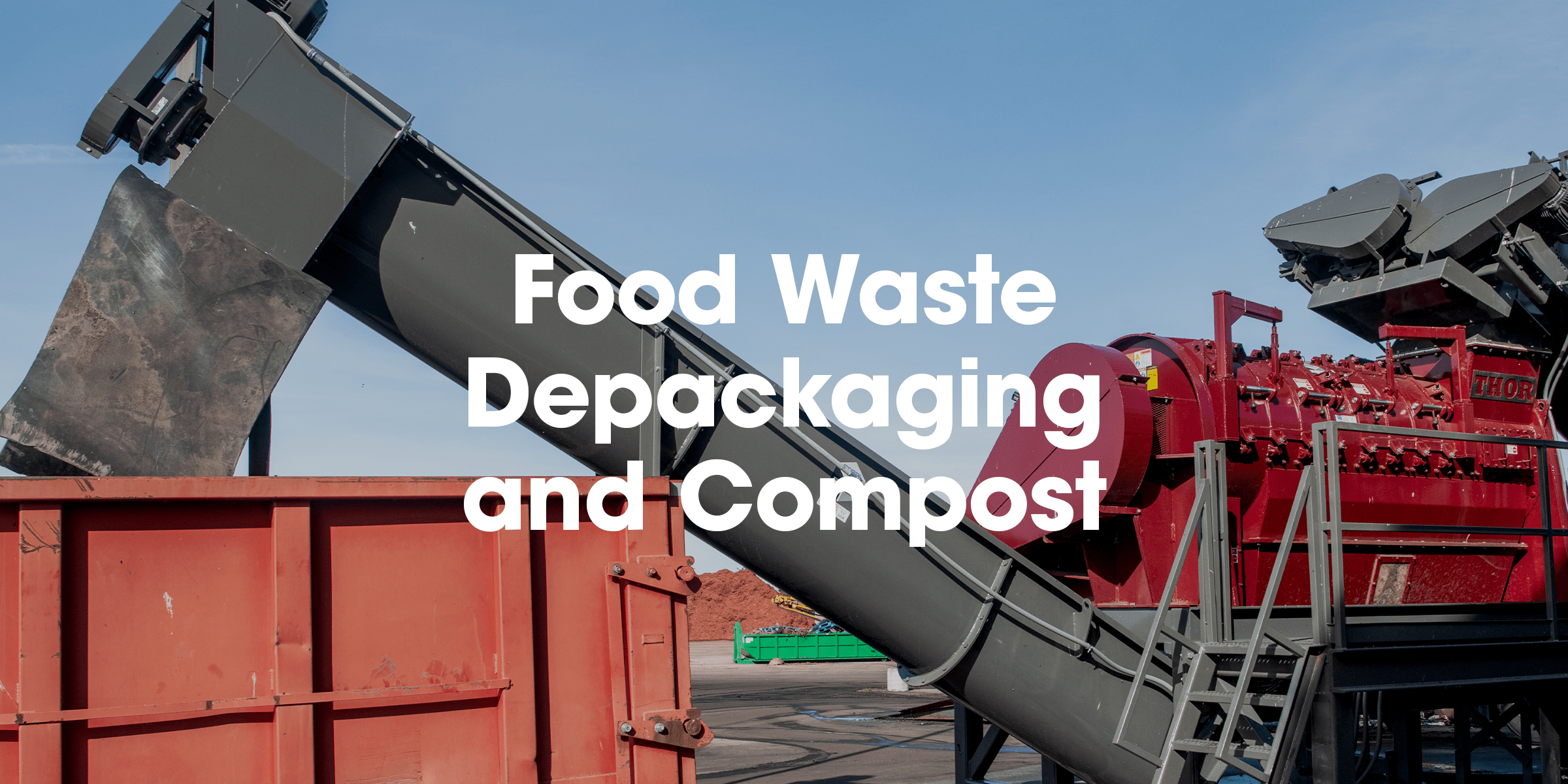
- Depackaging and preprocessing equipment
- Screens, grinders, wind sifters, and related processing systems
- Transfer and receiving infrastructure
- Technical feasibility assessments for food waste processing expansion
For operators considering growth, this funding may help offset some of the capital costs associated with increasing throughput, accepting new feedstocks, or modernizing an existing facility.
Who is Eligible?
Based on information published by Oregon DEQ, potential applicants for the large-scale infrastructure funding may include:
- Existing permitted composting facilities
- Existing anaerobic digestion facilities
- Compost facilities that do not currently accept food waste but want to expand operations
- Organizations seeking to develop new composting facilities
- Businesses
- Local governments
- Tribal governments
Small-scale composting grants appear to be targeted toward:
- Community-based organizations
- Nonprofits
- Businesses
- Local governments
- Tribal governments
- Community composting initiatives
As with any grant program, applicants should review the final solicitation materials once released to verify eligibility requirements and application criteria.
What Projects Are Eligible for Funding?
While full application guidance will be released when the program launches, DEQ has already outlined several examples of activities that may qualify.
Potential eligible projects include:
- Expanding composting capacity to accept additional food waste
- Adding food waste acceptance capabilities to existing facilities
- Installing aerated static pile infrastructure
- Installing anaerobic digestion systems
- Purchasing food waste processing equipment
- Improving preprocessing operations
- Developing transfer and aggregation facilities
- Conducting technical feasibility studies for expansion projects
For composters, the emphasis appears to be on projects that create measurable increases in processing capacity and divert additional food waste from disposal.
Key Dates and Deadlines
Oregon DEQ has announced:
- Grant application opening: September 23, 2026
- Project completion deadline: March 2029
Organizations interested in applying should begin preparing now by:
- Evaluating facility expansion opportunities
- Identifying equipment needs
- Reviewing processing bottlenecks
- Gathering baseline throughput data
- Developing project budgets
- Assessing permitting requirements
- Preparing engineering or feasibility documentation where applicable
Because infrastructure grants often require detailed technical information, applicants that begin preparation early are typically better positioned once the application period opens.
Food Waste Processing Equipment and Infrastructure Support
Before the grant is released, Viably can be available for a consultative discovery call or site walkthrough to discuss options and considerations.
Viably can help to identify opportunities for grant funding in the following areas:
- Food waste processing equipment options
- Depackaging and preprocessing systems
- Compost facility expansion opportunities
- Material handling and screening solutions
- Throughput and capacity planning
- Facility layout and design considerations
- Technical information that may be required for the grant
Viably will be releasing more information once the grant becomes available on September 23.
If you’re considering a composting, anaerobic digestion, or food waste processing project in Oregon, now is the time to begin evaluating how this funding opportunity may support your expansion plans. Contact Viably now.
Resources
Expand Food Waste Processing in Oregon (Info Webinar Aug. 12)