With growing interest in sustainability and waste reduction, many businesses are exploring ways to implement organic waste recycling programs. These initiatives not only reduce environmental impact but can also lead to cost savings and operational improvements.
What is an organic waste recycling program?
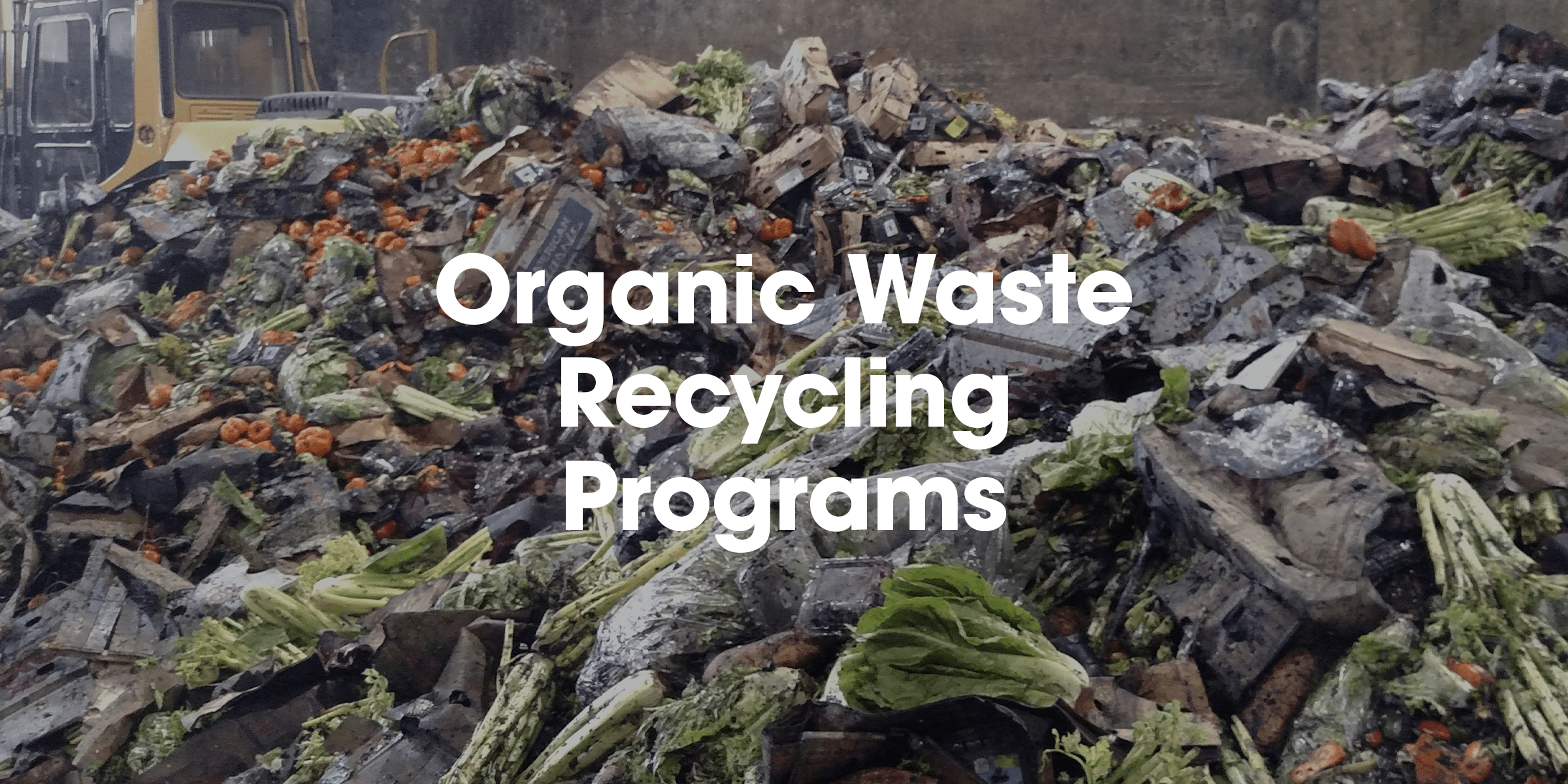
An organic waste recycling program helps businesses, institutions, and individuals divert biodegradable materials—such as food scraps, yard trimmings, and wood waste—away from landfills and into sustainable processing methods. These programs utilize various recycling technologies to repurpose organic waste into valuable products, such as compost, nutrient-rich natural fertilizers, renewable energy, and biofuel. By reducing landfill use and greenhouse gas emissions, organic waste recycling programs support sustainability goals while creating practical environmental and economic benefits.
Why Implement an Organic Waste Recycling Program?
Diverting organic waste from landfills isn’t just good for the planet—it’s good for business. Businesses that implement an organic waste recycling program can reduce disposal costs, lower greenhouse gas emissions, and even generate revenue from recycled materials.
Implementing an organic waste recycling program can be a smart business strategy. Many businesses are becoming subject to evolving waste management regulations, and adopting an organic recycling program can help them achieve corporate sustainability goals, ensure compliance with regulations (like SB 1383 and HB 1799), and avoid potential fines and restrictions associated with new regulations. Additionally, embracing sustainable practices can strengthen a business’ brand reputation and meet the growing expectations of eco-conscious customers and partners.
Steps to Implement an Organic Waste Recycling Program
Implementing an organic waste recycling program can seem complex, but a step-by-step approach can make it manageable and effective. Here’s a framework to help you get started:
1. Assess Your Current Organic Waste Situation
Start by understanding the types and quantities of organic waste your business generates. A waste audit provides crucial data on what you produce and where the most significant impacts can be made, helping set realistic reduction goals and creating a baseline for tracking progress.
2. Set Clear Reduction Goals
Establish specific goals for your program, such as reducing landfill contributions by a set percentage, cutting disposal costs, or meeting corporate sustainability targets. These objectives help direct your efforts, keep your team focused, and serve as benchmarks for measuring success.
3. Establish methods for reducing, reusing, and recycling waste
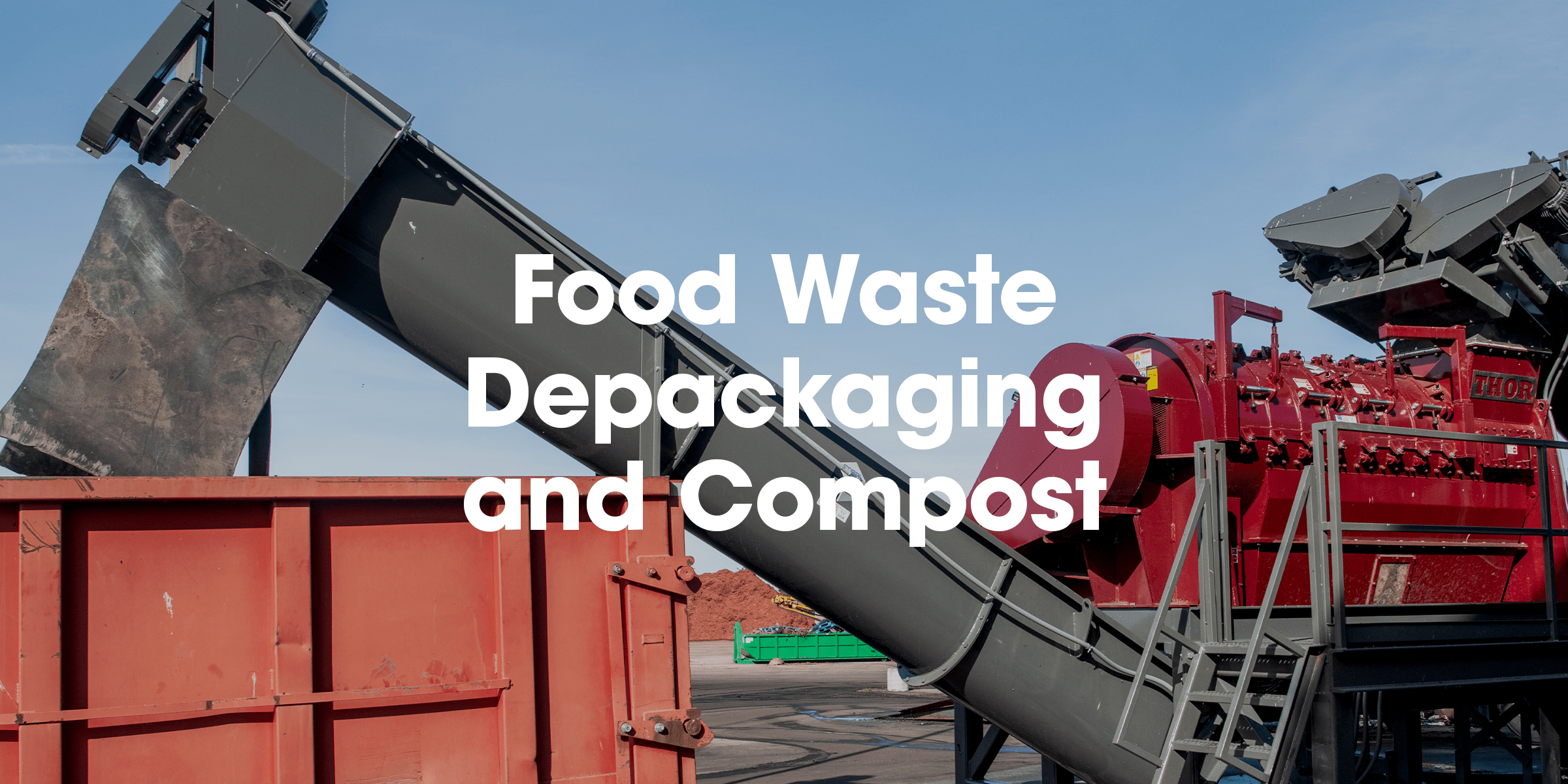
Begin by establishing a system to separate organic waste. This may include designated bins and clear labels to simplify sorting and reduce contamination. Then, develop how you will recycle the waste. Depending on your business needs, you may partner with a recycling partner or consider investing in in-house equipment like food waste recyclers or commercial depackaging equipment to support your efforts.
4. Engage Stakeholders
Get buy-in from key stakeholders early on. Involve employees, management, and vendors in the planning and implementation process. Providing training, sharing the program’s benefits, and gathering input fosters support and collaboration, ensuring smooth operations and lasting impact across the organization.
Considerations When Implementing an Organics Recycling Program
Launching an organic waste recycling program requires thoughtful planning. Here are factors to consider as you build a program that meets your business’s sustainability goals and operational needs:
1. Choose In-House or Partner Solutions
When considering how to process organic waste, decide whether to handle it in-house or work with a recycling partner. If you have the resources, investing in or renting recycling equipment can be a cost-effective option, offering control over the entire process. However, partnering with an external waste recycler might be more practical for smaller businesses or those with limited space. Evaluate the costs, logistical requirements, and scalability of both options to find what best suits your needs.
2. Create Internal Processes
Establishing internal processes is crucial to the program’s success. This includes training employees on new recycling practices and possibly hiring dedicated staff to oversee the program. Developing waste separation, storage, and processing protocols will make the program more effective and help avoid contamination issues that can undermine recycling efforts.
3. Monitor and Measure
Ongoing monitoring allows you to track progress toward your goals and improve efficiency over time. For example, measuring waste diversion rates and cost savings can demonstrate the program’s value to stakeholders and identify areas for improvement. Regular reporting on these metrics keeps the program aligned with your original objectives and strengthens buy-in across the organization.
Measuring Success in Organic Waste Recycling
Evaluating results is vital to sustaining and improving your recycling program. Here are ways to measure impact and demonstrate success.
1. Regulatory Compliance
Meeting local and federal waste management regulations is a clear indicator of success. Regular audits and reviews of your recycling practices ensure you’re compliant and may even help you stay ahead of new environmental standards, reducing risk and strengthening your reputation.
2. Cost Savings
Reduced waste disposal costs can be one of the most tangible benefits of an organic waste recycling program. Tracking expenses before and after implementation allows you to see direct savings from reduced landfill fees and more efficient resource use, adding value to your bottom line.
3. Environmental Impact Metrics & Positive Perception
Measure metrics like landfill diversion rates and greenhouse gas reductions to quantify your program’s environmental impact. Building a reputation as an environmentally conscious business can also enhance brand loyalty and team morale, as employees and customers appreciate efforts to protect the planet.
Starting an organic waste recycling program might seem daunting at first, but with the proper planning, it’s totally manageable—and even rewarding! By assessing your waste, setting clear goals, and creating simple strategies for reduction, reuse, and recycling, you’ll be on your way to making a real impact. And remember, you don’t have to do it alone.
Viably’s waste and recycling experts are your guides to implementing an organics recycling program into your business, from selecting the right technology solutions to ensuring a smooth implementation. With the right tools and support, you’ll not only meet regulatory requirements and reduce costs but also boost your brand’s eco-friendly reputation. Take the first step, plan it through, and watch both your business and the planet benefit!