Food waste legislation is rapidly expanding across the United States, reflecting a growing commitment to sustainability and environmental responsibility. Washington’s Organics Management Law (HB 1799), which passed in 2022, is the state’s answer to reducing the environmental impacts of organic waste. Similar to California’s SB 1383, HB 1799 represents a transformative shift in how food and organic waste are managed, with phased enforcement beginning in 2024 and full implementation by 2026. As Washington prepares for enforcement in 2025, businesses are beginning to navigate what compliance will mean for their unique operations.
What is HB 1799?
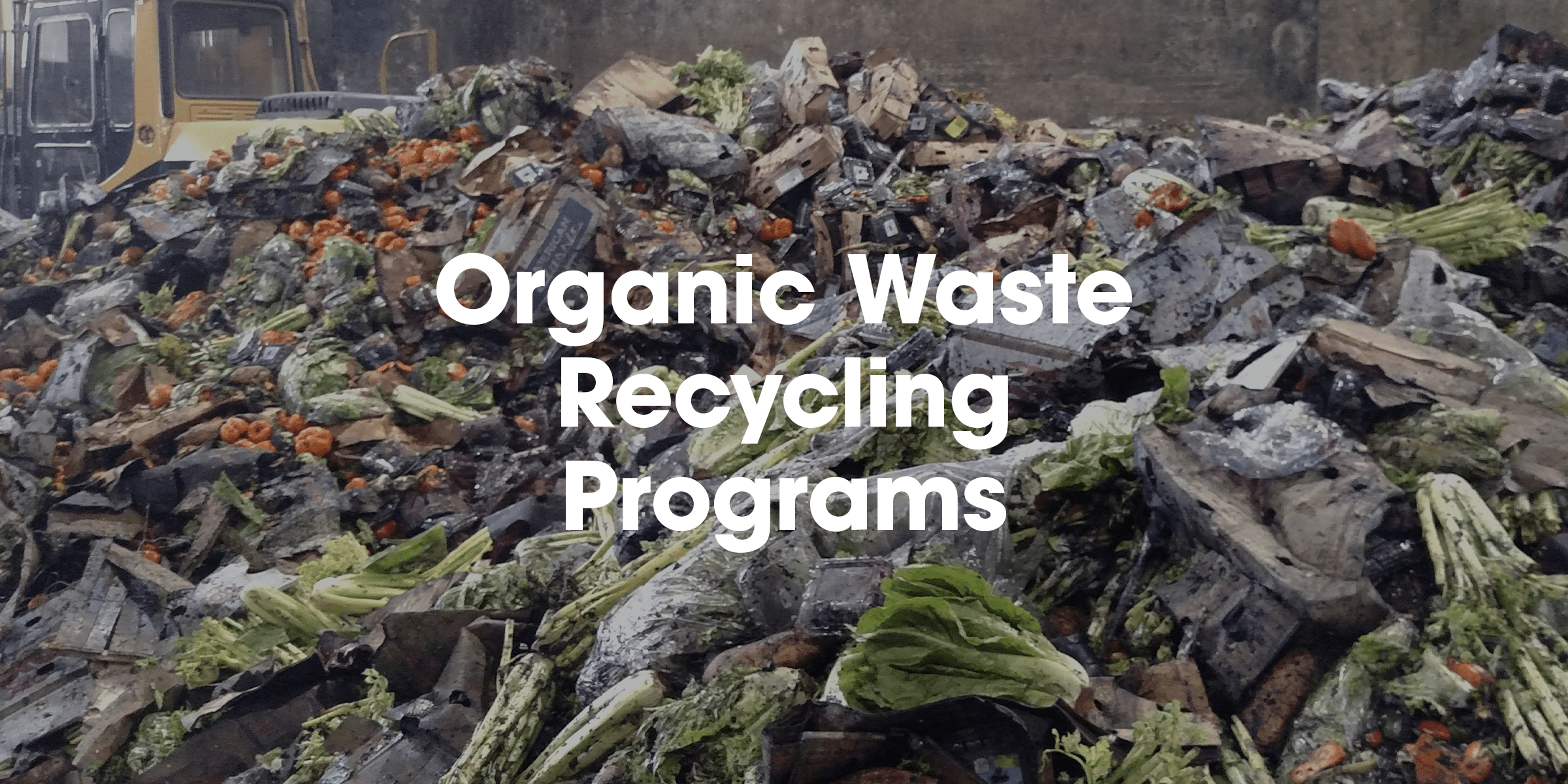
At its core, HB 1799 is about keeping organic waste out of landfills, where it generates harmful greenhouse gases like methane. Instead, the law encourages more sustainable practices, such as composting and recycling. The rollout is happening in phases. Starting in 2024, businesses generating at least eight cubic yards of food and yard waste per week in designated areas must divert that waste to organics collection programs. By 2025, the threshold drops to four cubic yards weekly, and by 2026, even businesses producing as little as 96 gallons (essentially a single trash cart) of organic waste per week will need to comply.
The law applies to businesses located within specific zip codes across 10 Washington counties and those meeting the weekly waste thresholds. These requirements might seem straightforward, but the reality of compliance can be complex. For instance, hospitals, campuses, grocery stores, and food production facilities often generate substantial waste but may not have the tools or processes in place to handle it effectively.
Challenges of HB 1799
One of the biggest hurdles is the cost of food waste hauling. While curbside organics collection services are a positive step forward, frequent pickups can be costly, especially for businesses producing large quantities of waste, like hospitals, large-scale facilities, corporate campuses, and universities. On top of that, packaged food waste—common in grocery stores and distribution centers—can no longer simply be thrown away. Instead, businesses must separate food from its packaging to ensure it is processed correctly.
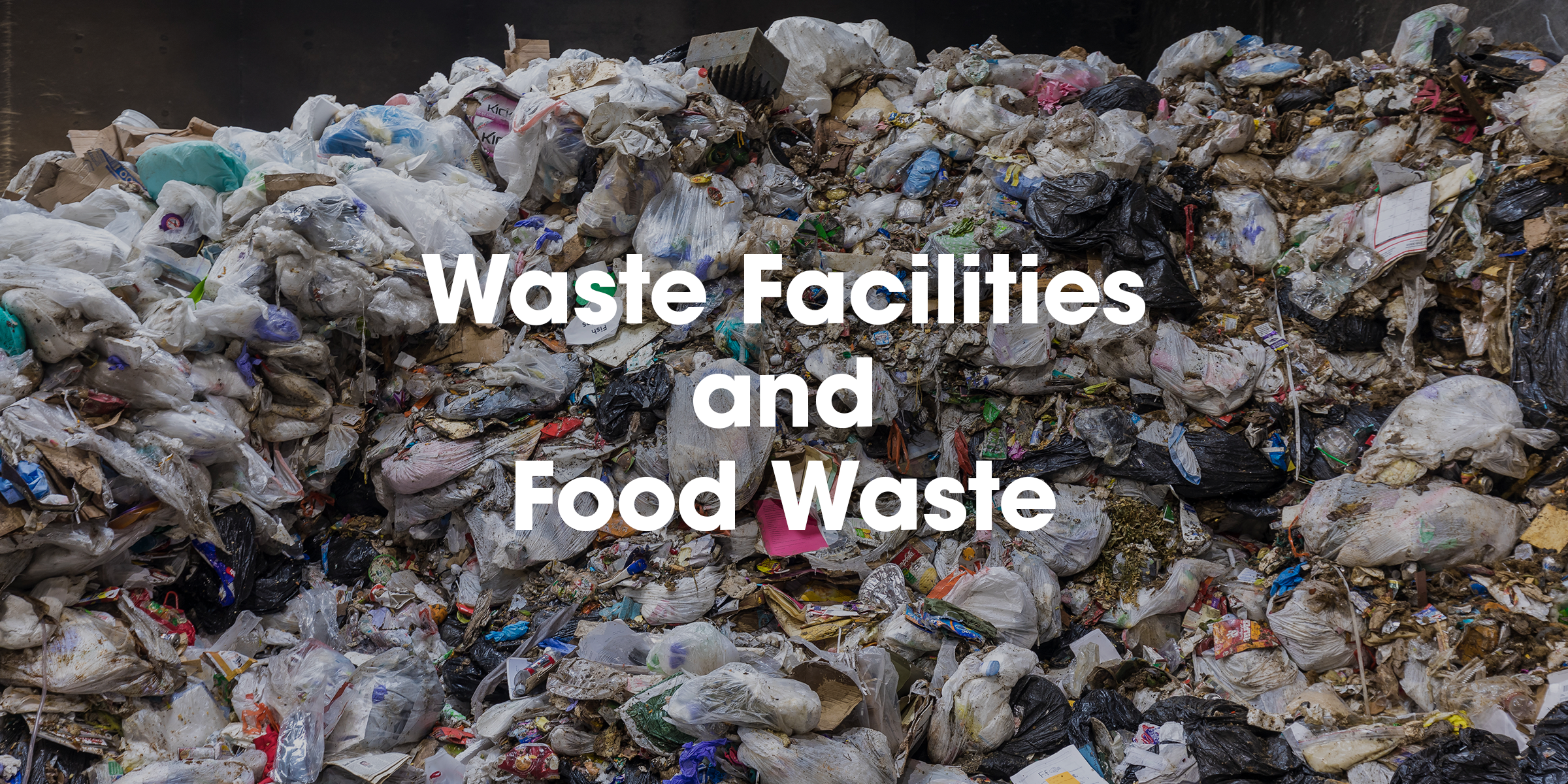
Another significant challenge posed by Washington’s Organics Management Law is the potential strain on existing infrastructure to handle the new influx of diverted food waste. Many waste management facilities may not have the capacity or technology needed to process the increased volume of organic materials effectively. Facilities already operating at capacity may face bottlenecks, leading to delays, higher costs, and logistical complications. Without sufficient investment in expanding and upgrading infrastructure, the success of HB 1799 could be hindered, placing additional pressure on waste management providers to meet rising demand.
Solutions for HB 1799
Despite these challenges, HB 1799 also creates opportunities for innovation and collaboration in Washington’s waste management. Solutions like composting systems, depackaging equipment, and anaerobic digesters can help businesses overcome hurdles and align with the legislation’s sustainability goals.
Viably offers technology tools and industry expertise to help businesses navigate these challenges effectively and cost-efficiently. We specialize in innovative solutions to make compliance more manageable and more affordable. For businesses looking to reduce waste volume and hauling costs, the Harp Renewables Food Waste Recycler offers a game-changing option. This on-site system converts food waste into a natural fertilizer without water, reducing its weight and volume by 75% in just 24 hours. Not only does this reduce hauling costs, but it also provides a sustainable byproduct that can be used for landscaping, soil enrichment, or composting.
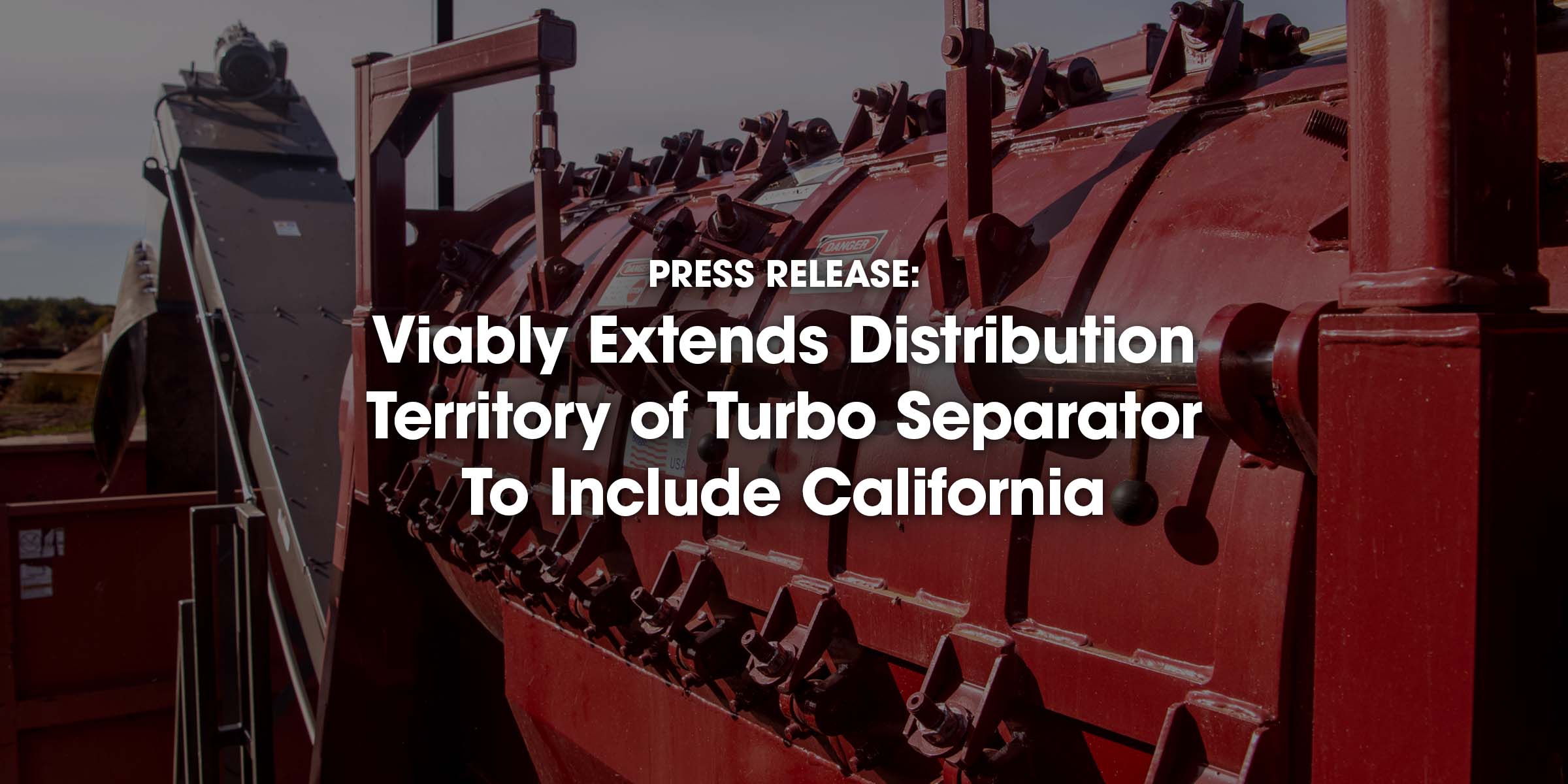
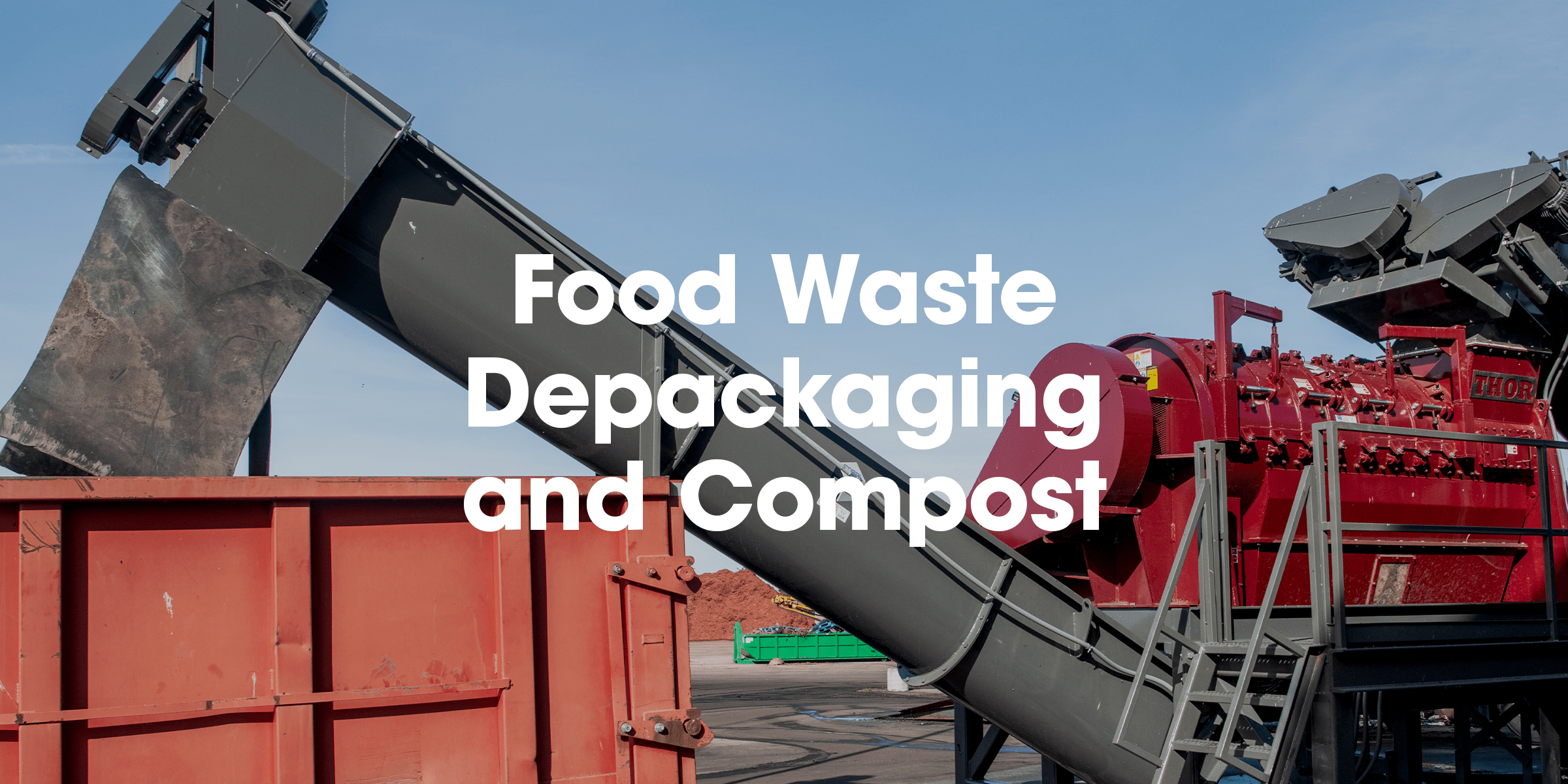
For businesses dealing with packaged food waste, the TurboSeparator, manufactured by Scott Equipment Company, is the ideal solution. It efficiently separates food from packaging, ensuring that both can be processed appropriately. This system helps businesses meet landfill diversion goals while maintaining operational efficiency.
Let Viably Be Your HB 1799 Guide
HB 1799 represents an important opportunity for Washington businesses to rethink their waste management strategies. While the road to compliance may feel daunting, it doesn’t have to be. Viably is here to help businesses find the right solutions to fit their needs. Whether you’re looking to streamline your waste operations, reduce hauling costs, or meet the law’s requirements head-on, we have the expertise and tools to support you.
If your business is preparing for Washington’s Organics Management Law, let’s work together to make compliance manageable and transformative. Connect with us today and discover how Viably can help you lead the way in sustainable waste management!