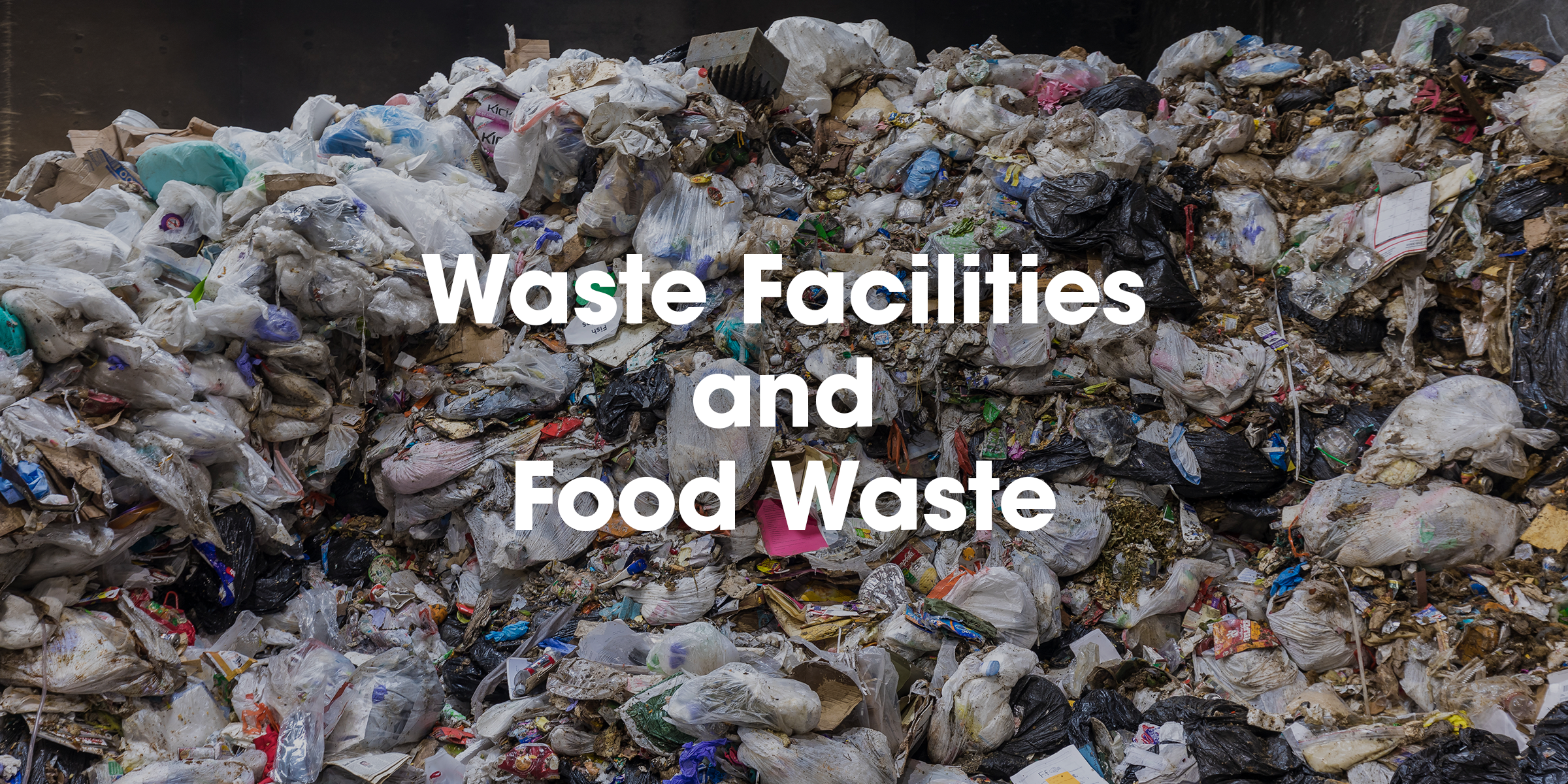
It’s no secret that hospitals and healthcare systems are facing persistent financial challenges. Soaring costs and ongoing labor shortages are squeezing budgets at hospitals nationwide, as the American Hospital Association noted in its latest Costs of Caring report. Excess waste generation contributes to these budget difficulties, with hospitals generating over 30 pounds of waste per bed per day. This complex waste stream includes regulated medical waste, hazardous waste, food waste and more.
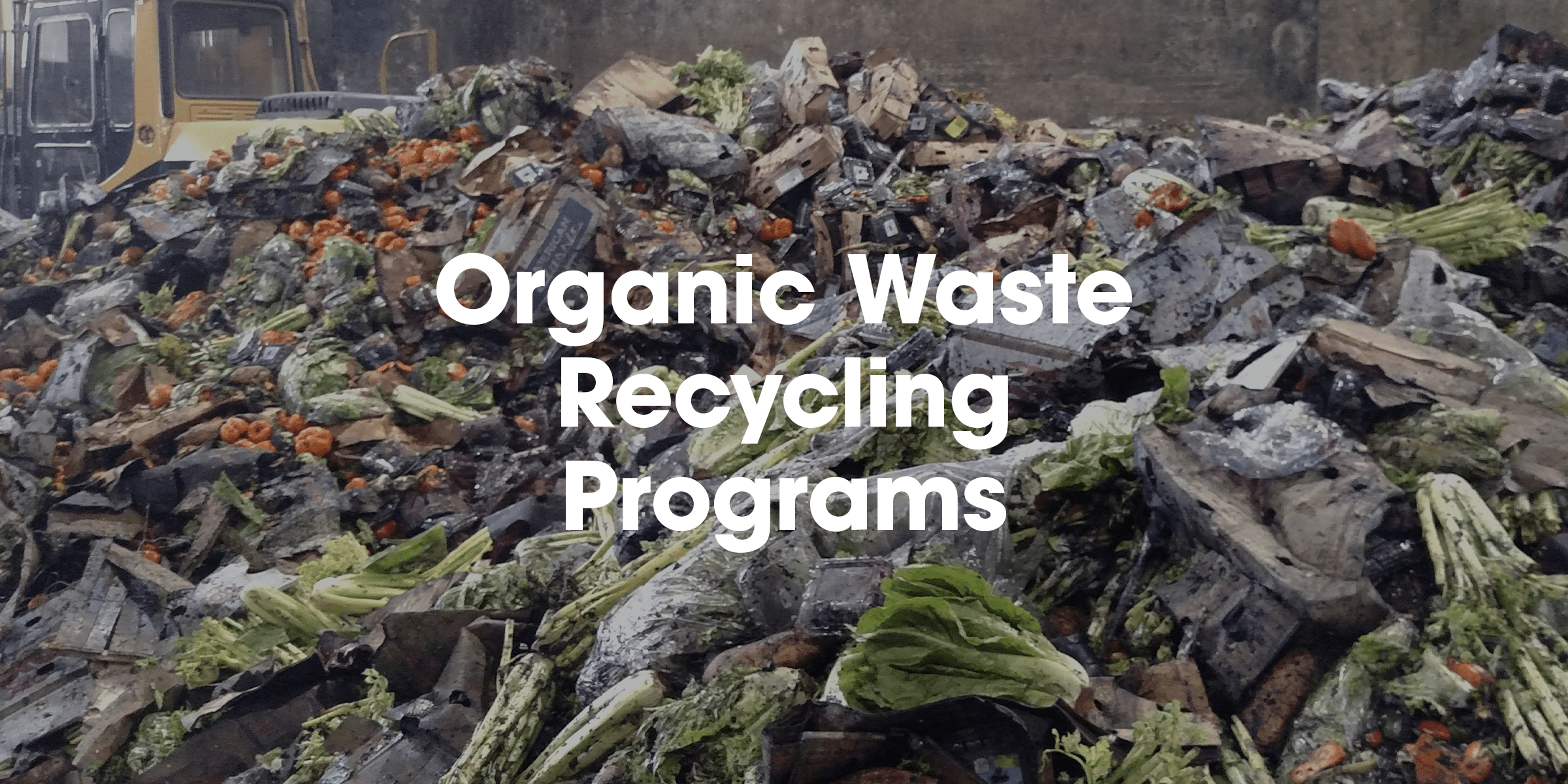
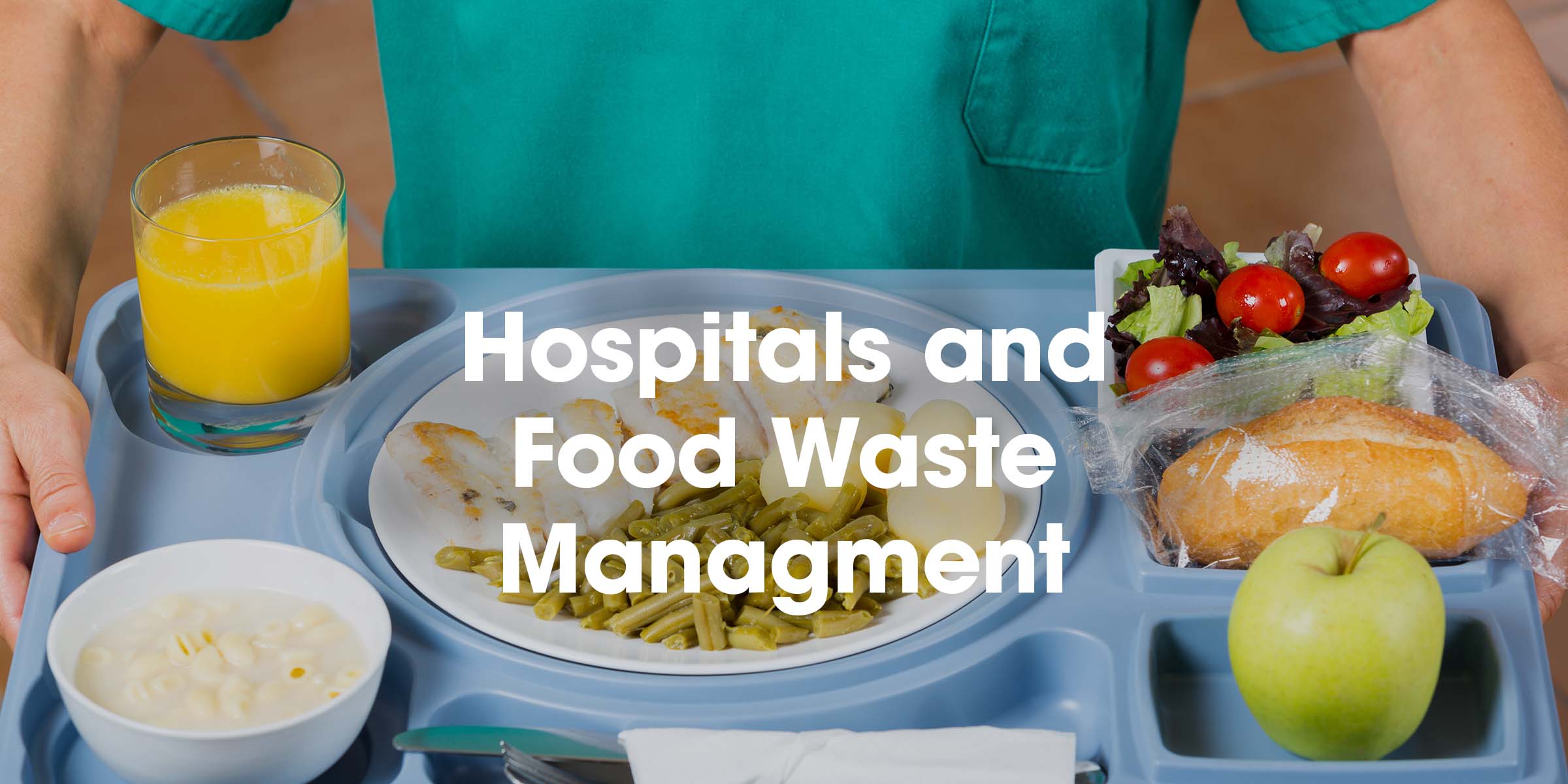
While hospitals and healthcare systems operate in a unique regulatory environment, they have the opportunity to make meaningful improvements on food waste. According to the Environmental Protection Agency, hospitals produce over 288,000 tons of food waste each year. This waste is costly to haul away — U.S. hospitals spend about $10 billion a year on waste disposal — and it’s detrimental to the environment. When thrown in landfills, food waste emits methane, a powerful greenhouse gas. Organic waste is the largest source of methane in the U.S., generating emissions equivalent to that of 37 million cars.
Reducing food waste can reduce operating costs and environmental impact for hospitals. How can they do this without costly infrastructure changes? By implementing on-site recyclers to turn food waste into a usable landscaping product on the hospital’s campus.
Closed-Loop Food Waste Solutions Save Money
Previous iterations of food waste recycling technology decomposed food and flushed it into wastewater streams. This avoided landfilling but caused issues at wastewater treatment facilities. The latest technology, the Harp Renewables food waste recycler from Viably, doesn’t use water or produce a slurry. Instead, these machines use heat-tolerant microbes, mechanical turning, and airflow to process anywhere from 220 pounds to 5.5 tons of food waste per day.
These waterless food waste recyclers kill pathogens and toxins by maintaining a high-heat environment of 160 degrees Fahrenheit. They are continuous-feed machines, allowing hospital staff to open them and add food waste as they receive it, which is vital for 24/7 operations.
“Waterless food waste recyclers can be ‘fed’ three to four times a day, or they can be fit with a hopper that augers directly into the machine,” says Christy Hurlburt, Director of Product with Viably. The end product is a nutrient-rich soil amendment with a texture and scent similar to coffee grounds that can be used for on-site landscaping.
Processing food waste on-site and avoiding off-site shipping and disposal can save thousands of dollars a year. It’s estimated that hospitals spend up to $200 per ton for waste removal, so reducing your waste hauling can mean significant savings. And, as “put or pay” contracts expire, hospitals are incentivized to reduce the waste they send to landfills or incinerators.
Lowering the amount of waste that goes into dumpsters or sits at a loading dock offers sanitary benefits as well — food waste and trash can attract pests and vermin that are dangerous on a hospital campus. An on-site food waste recycler, however, captures food waste immediately and doesn’t release odors for better sanitary conditions.
Depackagers Facilitate Food Waste Processing
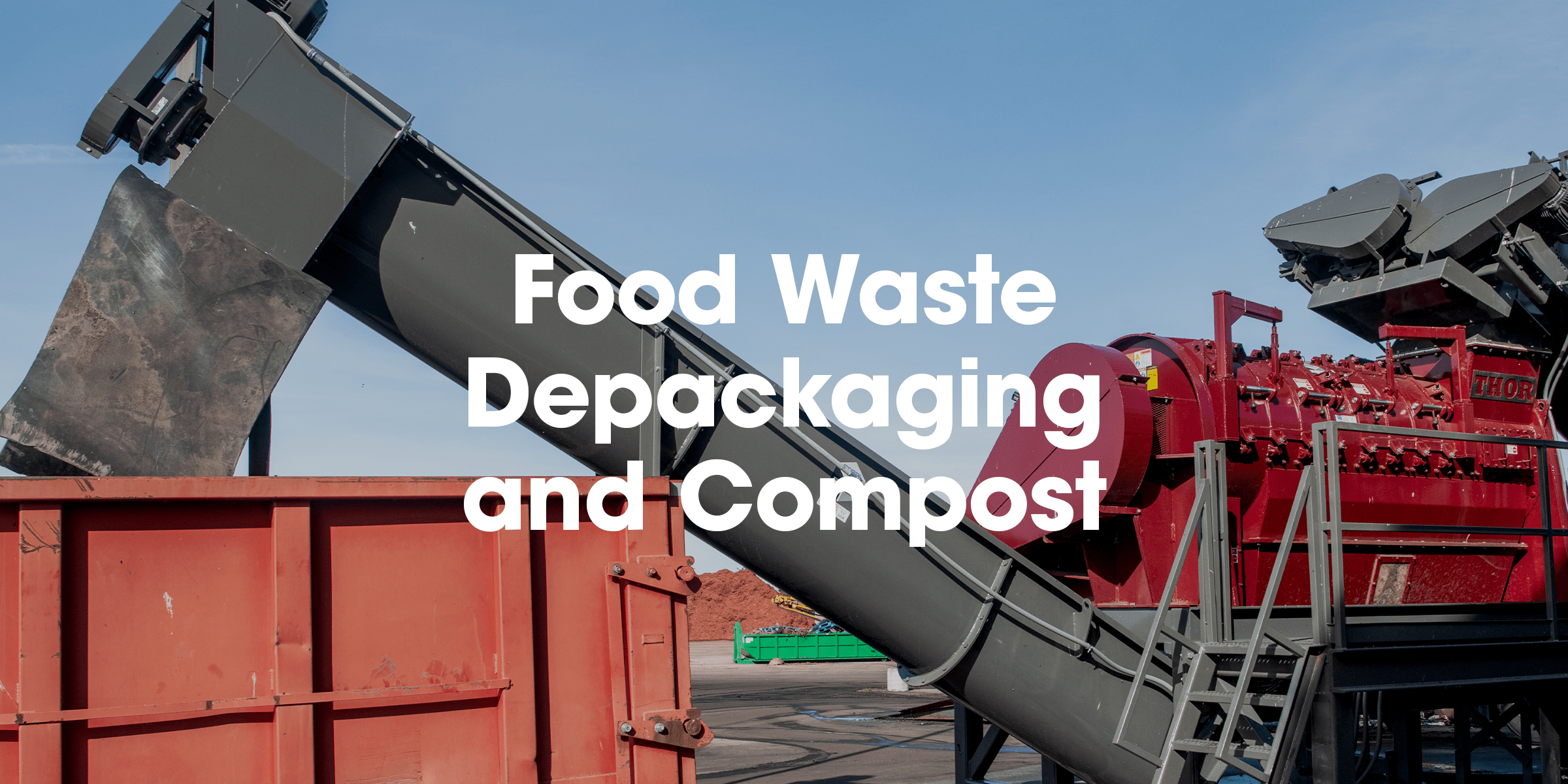
What about unused food from patient rooms and hospital kitchens? A recent study of hospital food waste found that 7% of discarded hospital food wasn’t even opened. Food Waste Depackaging equipment solves this challenge by separating food waste from its packaging so that paperboard, metal and plastic can be recycled while food goes into the food waste recycler.
“Depackagers are a natural complement to waterless food waste recyclers,” Hurlburt says. “Depackaged food from meals can be sent to the digester, which allows hospitals to fully capture their food waste and improve recycling rates. Even better, data from the entire process can be gathered for sustainability reporting.”
Less Food Waste Means Greater Sustainability
By making changes to their composting and recycling, hospitals and healthcare systems can reduce their landfilled waste by 55% and their GHG emissions by 64%. Adding the soil amendment to on-site landscaping may also reduce fertilizer usage since it enriches campus garden sites. On-site food waste recyclers also quickly process food waste in a sanitary manner in an environment where cleanliness is paramount.
Reducing food waste helps with overall sustainability efforts in the healthcare industry, which is responsible for about 10% of all U.S. emissions. In such a heavily regulated industry, individual hospitals don’t always have the flexibility to reduce their environmental impact. However, adding a food waste recycler on-site requires no permits, no new facilities, and no special maintenance. “Now that we can quantify the emissions coming from food waste, these solutions roll up perfectly into carbon neutrality goals,” says Hurlburt.
Less waste means more savings, whether in waste hauling, landscaping, or emissions. For hospitals and healthcare systems, these savings can be realized at the facility, helping them prioritize more of their resources for their core mission — providing outstanding patient care.

Download the Report: Unpacking The Potential of Food Waste Recycling
The U.S. organics waste market is expected to expand to more than $30 billion by 2030, and we want to make sure our customers can take advantage of it. Download this report and explore the environmental, financial, and legislative aspects of recycling food waste and get ready to capitalize on opportunities.