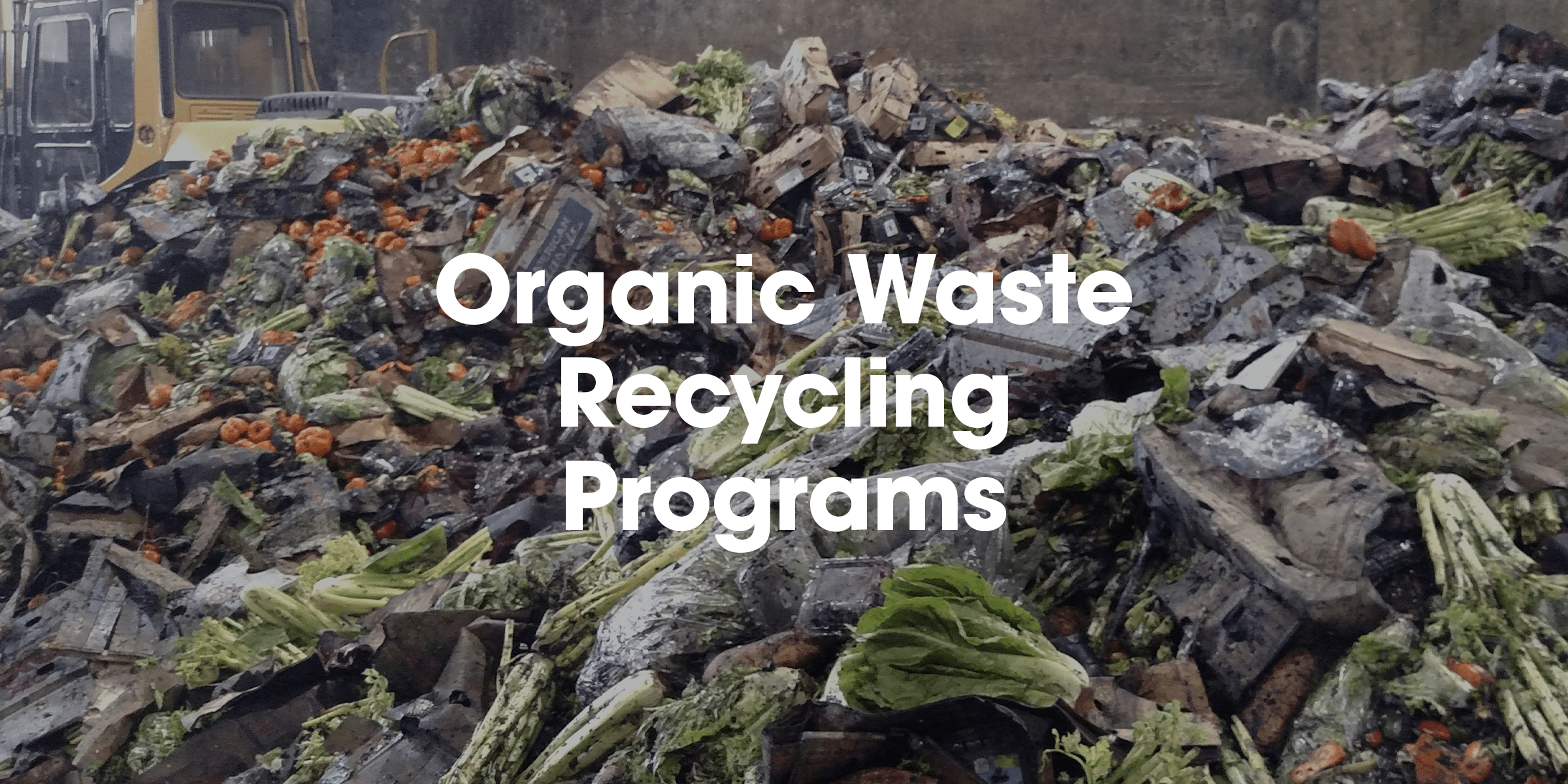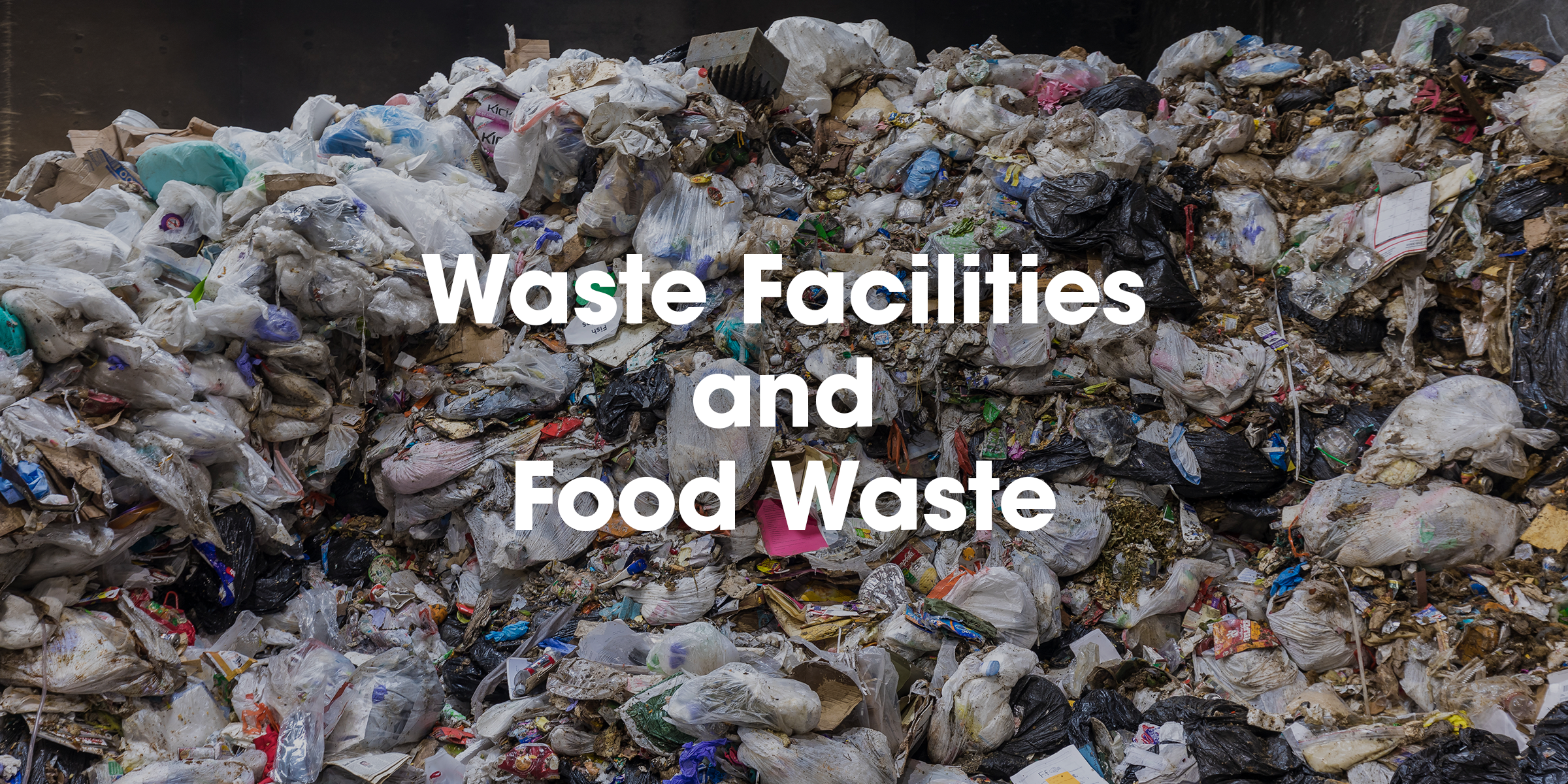
When we think of food waste, it’s easy to picture “ugly” produce from grocery stores, or individuals not finishing a meal, and all the resulting food ending up in the trash. With about 33% of all food produced in the U.S. going to waste, these retail and consumer sources are certainly problematic, but the large-scale challenge of food waste extends to all sectors of our economy.
It’s estimated that schools and universities generate about 1.78 million tons of food waste each year, while offices generate 4 million tons annually. This waste encompasses meals that students or employees bring with them, as well as waste from cafeterias or onsite restaurants. When food waste rots in landfills, it releases methane, a damaging greenhouse gas (GHG), and annual emissions from organic waste in the U.S. are the equivalent of 42 coal-fired power plants. Food waste is also taking up space in landfills, which is becoming more constrained in many regions.
Regulators and legislators are taking notice, with nine states passing legislation to divert organic waste from landfills. Corporations and educational institutions in these states must meet these regulations, and regardless of location, large organizations with campuses need to optimize their facilities for better waste management and lower emissions. Reducing food waste is a powerful way to contribute to this effort because it lowers facility emissions and leads to circular solutions that tackle a significant component of the total waste stream. And now, there are viable options to process food waste on-site.
Waterless Food Waste Recyclers Provide Efficient, Closed-Loop Solutions
Previous iterations of food waste recycling technology (often known as biodigesters) created a wet slurry of processed food waste, which avoided landfilling but caused other water treatment issues. Today’s technology, however, relies on thermophilic microbes, high heat, airflow, and mechanical rotation to process food waste in just 24 hours — on-site and without using water.
“With this technology, there is no food or slurry going down the drain, and the end product isn’t just dehydrated food; it’s fully stable and pathogen-free because of the combination of microbial activity, heat, airflow, and mechanical turning,” says Christy Hurlburt, Director of Product with Viably.
Waterless food waste recyclers from Harp Renewables, for example, can process more than 3,000 pounds of food waste per day, including meat, bones, and shells. The output is a stable, nutrient-rich natural fertilizer that can be applied directly to a campus’s landscaped areas. For large-scale facilities like universities, convention centers, resorts, and office parks, these on-site waterless food waste recyclers are a truly circular solution, redirecting food waste that currently goes to landfills.
Operational and Environmental Benefits for Campus Facilities
Processing food waste on-site may seem intimidating, but waterless food waste recyclers make it easy with simple usage and maintenance. Food waste can be deposited in the machine throughout the day, and the natural fertilizer is ready 12-24 hours later. Harp Renewables food waste recyclers are nearly odor-free because they don’t use water; the only off-gassing is a small amount of water vapor.
This equipment can be used continually to process food waste, and there are no side effects from a site shutdown. “The microbes will go dormant if the food waste recycler isn’t in use, say, over a holiday break on a university campus, or in-between events at a convention center. But they’ll reawaken once food is put back into the machine,” Hurlburt explains.
Basic cleaning is all that is required, as the microbial environment is already calibrated in the food waste recycler. “In most cases, the machine shouldn’t be deep cleaned because that can affect the microbial activity,” Hurlburt says.
By implementing an on-site waterless food waste recycler, large-scale facilities and campuses can:
- Reduce emissions by trucking less waste to landfills and decreasing landfilled organic waste, which emits methane.
- Meet organic waste regulations and report sustainability metrics with data provided by the waterless food waste recycler, like daily weights processed.
- Improve on-site soil quality and landscaping with a nutrient-rich natural fertilizer.
- Minimize on-site trash in receptacles and dumpsters, which can attract pests and vermin.
“Any large-scale facility or campus must be attuned to contamination risks or pests on-site, and processing food waste immediately and thoroughly is a significant hygienic improvement,” says Hurlburt. “And organizations that file sustainability reports or need to meet waste regulations can quickly get the data they need right from their waterless food waste recyclers.”
Resource Efficiency Means Long-Term Benefits
Tackling the problem of food waste will require numerous solutions enacted throughout the supply chain. Agricultural production must change, as well as consumer behaviors, whether that’s expectations of what food should look like or education around sell-by dates and food freshness.
Large-scale facilities and campuses have an important role to play, too. Since these places host people consuming food each day, and they often serve food as well, they can be part of the solution to keeping organics and food waste out of landfills. On-site waterless food waste recyclers are a simple yet impactful way to reduce landfilling of food waste and the resulting emissions, and they increase circularity and create a better environment for organizations of all sizes.
The problem is multi-faceted, but steps like on-site waterless food waste recyclers show that every facility can make a difference immediately in addressing food waste.
To learn more about food waste solutions for hospitals please contact Christy Hurlburt, Director of Product – Food Waste Recycling Solutions at churlburt@thinkviably.com.

Download the Report: Unpacking The Potential of Food Waste Recycling
The U.S. organics waste market is expected to expand to more than $30 billion by 2030, and we want to make sure our customers can take advantage of it. Download this report and explore the environmental, financial, and legislative aspects of recycling food waste and get ready to capitalize on opportunities.